
Brown
Explore 414 photos in Brown.
Brown tones in street photography
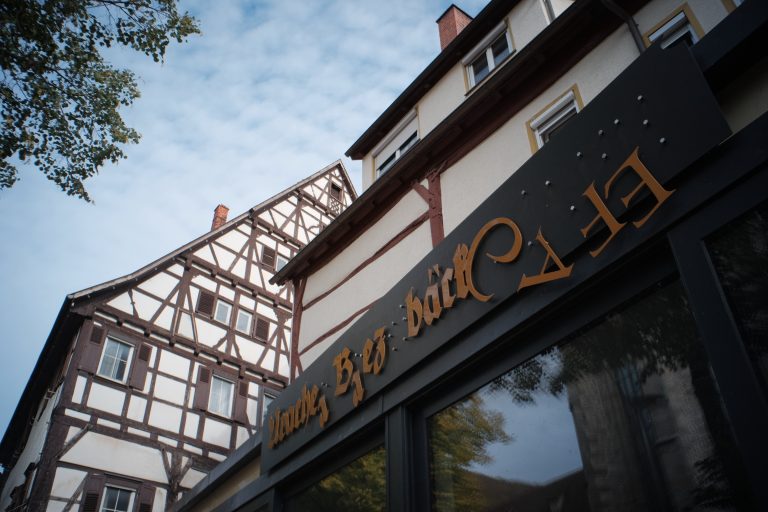
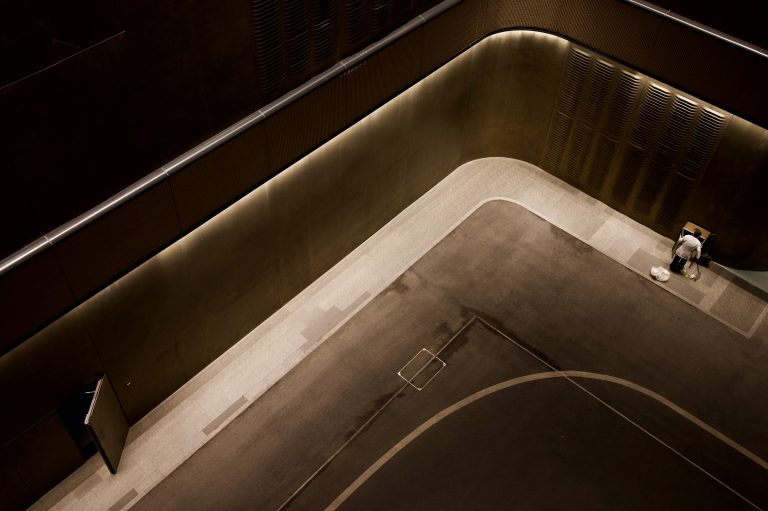
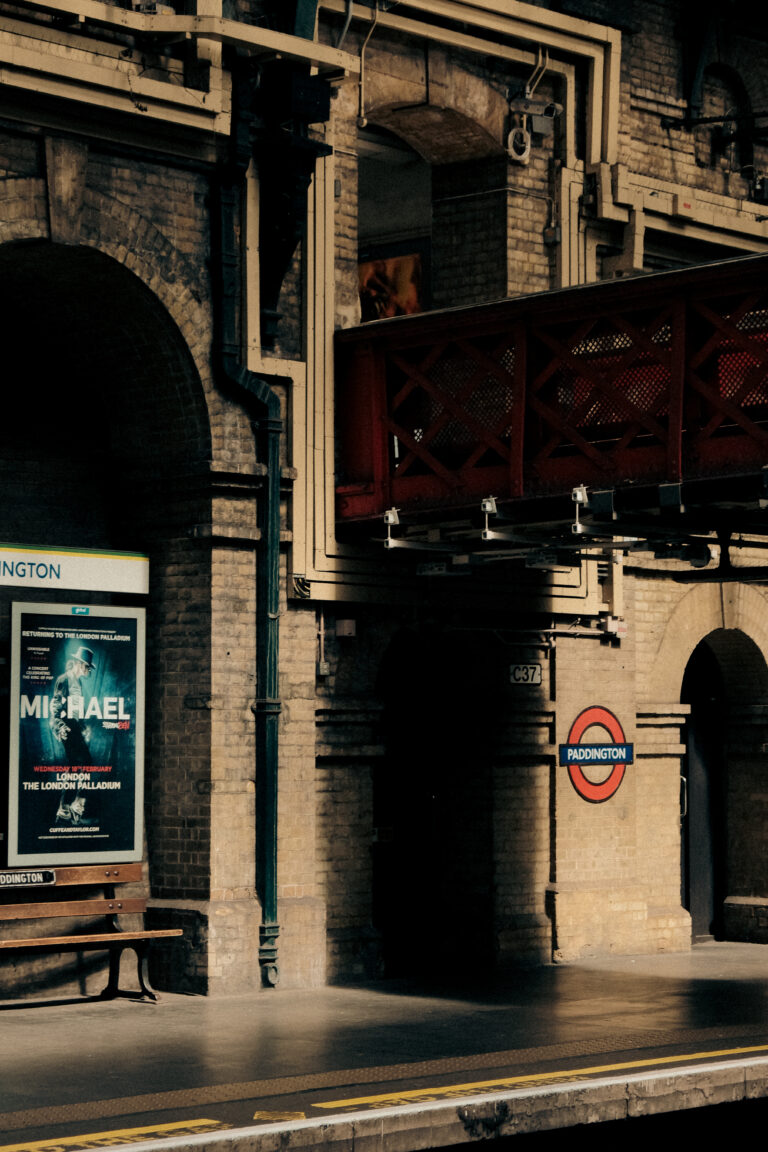
Brown is the most overlooked color in the street, yet it is everywhere: brick facades, wooden market stalls, rusted metal, leather jackets, coffee and dry leaves. It feels warm, grounded and a little nostalgic, which is why brown-heavy photos often look like they could come from any decade. A frame built on earthy tones has a natural harmony that helps light, texture and the people in it stand out.
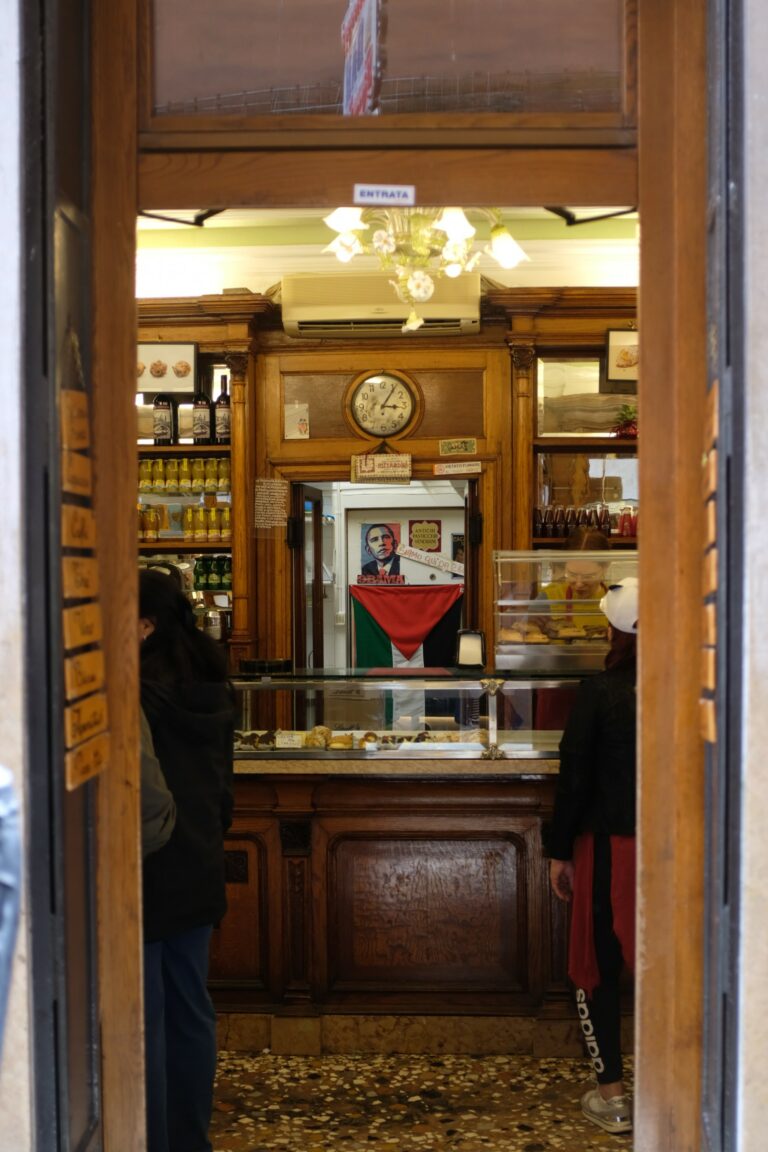
Old industrial neighborhoods, traditional markets, bazaars, workshops and wood-paneled cafes are full of browns, and warm late-afternoon light deepens them further. Many older color film photos carry this palette too, with their warm shadows and amber cast, and plenty of street photographers chase that vintage feel today with film or a warm edit. Here you'll see brown-dominated street photos from photographers across the PortraitMode community.
Seek out texture
Brown surfaces rarely look interesting when they are flat; their strength is texture. Look for weathered wood, peeling paint over brick, rusted shutters and worn leather, and shoot when low, raking light crosses them from the side. That light brings out the grain and adds depth, so the brown reads as a material rather than a dull, muddy area.
Separate subject from background
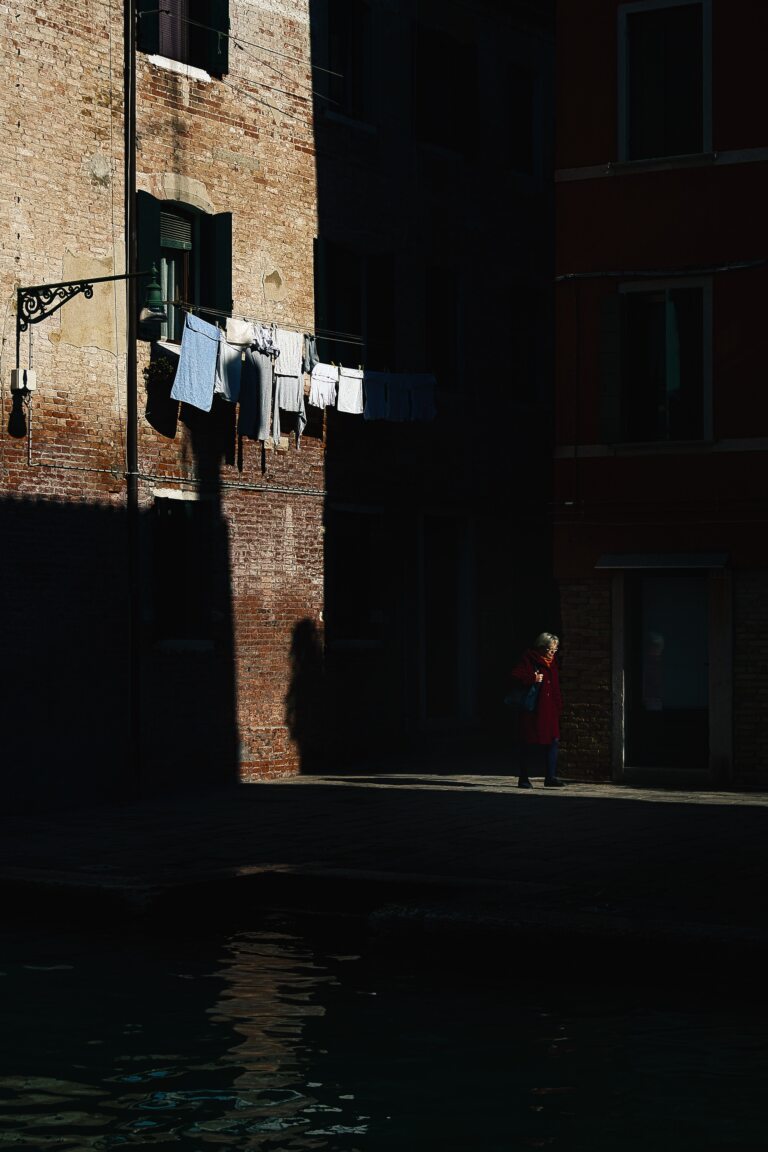
Brown on brown can blend into one muddy tone. Give your subject some separation: a lighter face against a dark wooden door, a figure lit by a shaft of sun, or a small patch of blue or green clothing. Paying attention to tonal contrast, not just color, keeps an earthy palette clear and easy to read.
Warm it up carefully
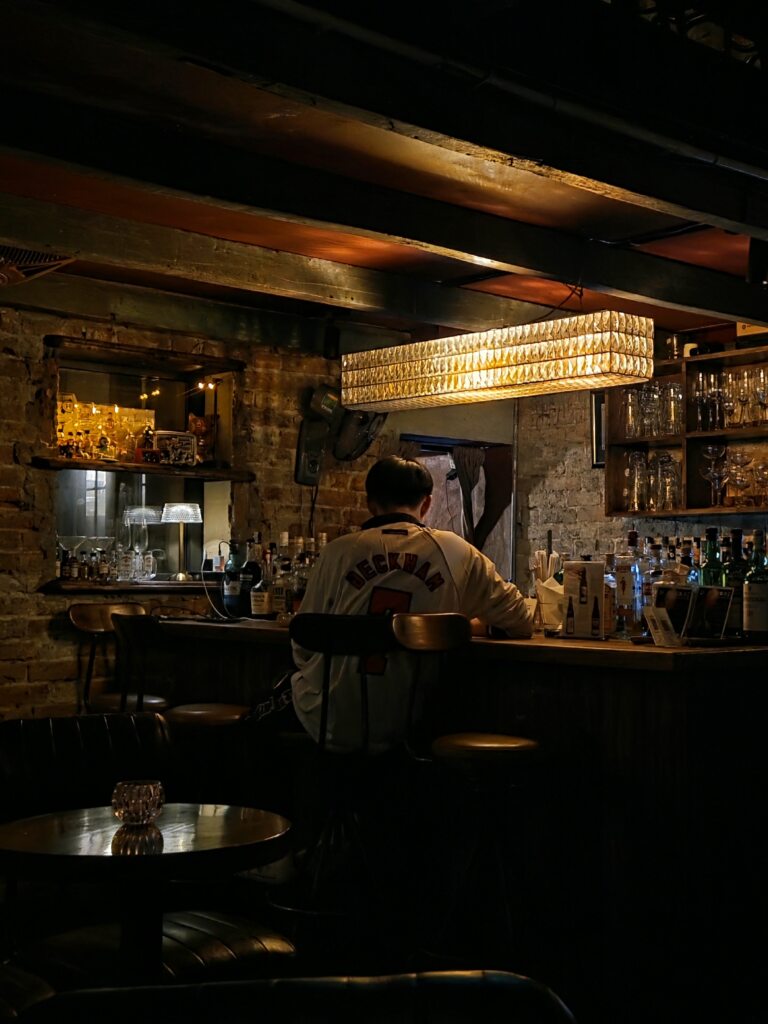
Brown benefits from a warm edit, but it tips into orange quickly. Nudge white balance toward warm, then reduce orange saturation slightly and lower its luminance for a richer, deeper brown. Keeping some contrast in the midtones prevents the image from going soft and muddy, which is a common problem with high-ISO files from dim interiors.
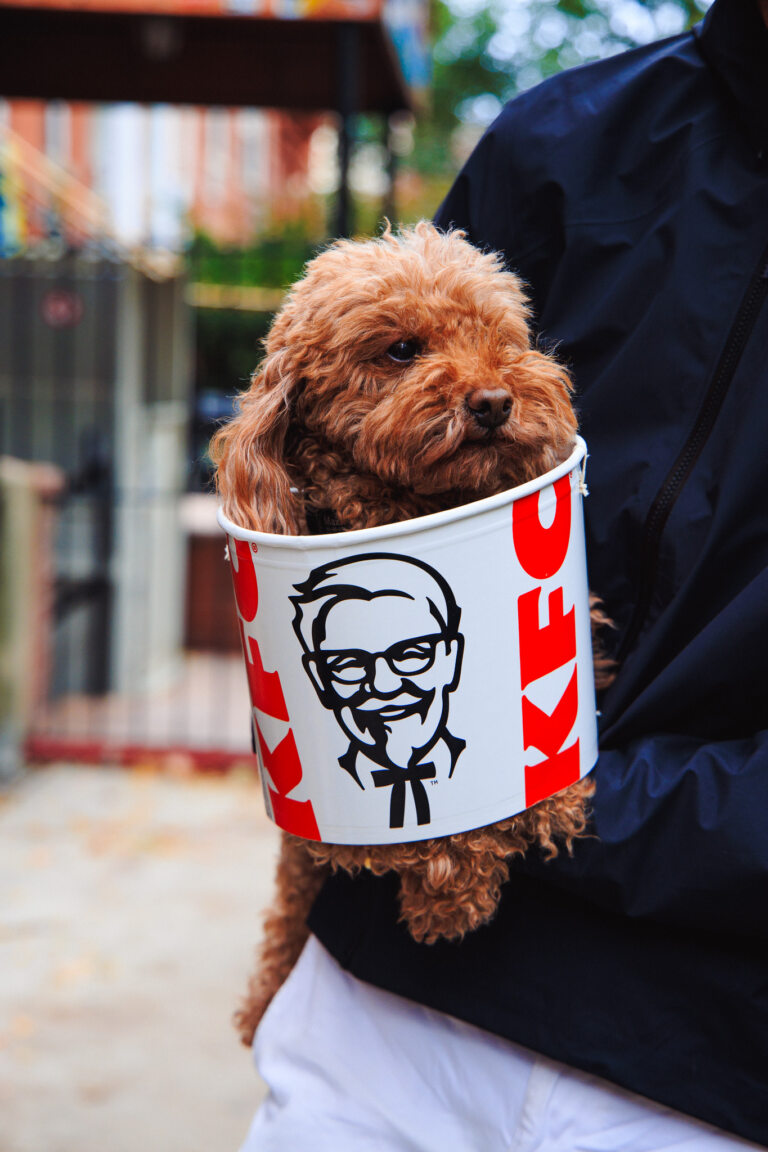
Dog in a KFC bucket at the Tompkin Square Park dog parade

Comments