
Documentary
Explore 7,810 photos in Documentary.
Documentary street photography
Documentary street photography records real life to tell a story about people, places or social conditions. Where much street photography celebrates the single surprising frame, documentary work often builds a body of images around one subject, such as a neighborhood, a trade or a community in transition. The aim is honesty: showing things as they are, not as you wish them to be.
Jacob Riis exposed life in the tenements of New York in How the Other Half Lives in 1890. In the 1930s, Dorothea Lange and Walker Evans documented the Great Depression for the Farm Security Administration, and Robert Frank's The Americans looked at the United States with an outsider's eye. Explore documentary street photography from PortraitMode members here.
Commit to one subject
Documentary work gains strength from depth. Choose a place or community you can return to many times, like your own neighborhood, a local market or a group of workers. Over weeks or months, people get used to you and the pictures become more intimate, and you begin to notice changes that a single visit would miss.
Gather context and notes
A documentary image is stronger when you know its story. Write down names, places and dates, and talk to the people you photograph about their lives. Include wider shots that show the setting next to close details. Short captions with accurate facts help viewers understand what they are seeing and why it matters.
Stay honest and fair
Avoid staging scenes or cropping out important context in a way that changes their meaning. Treat the people in your pictures with dignity, especially when photographing hardship. Ask permission when photographing people in private or difficult situations, and consider how the person would feel seeing the image published years from now.
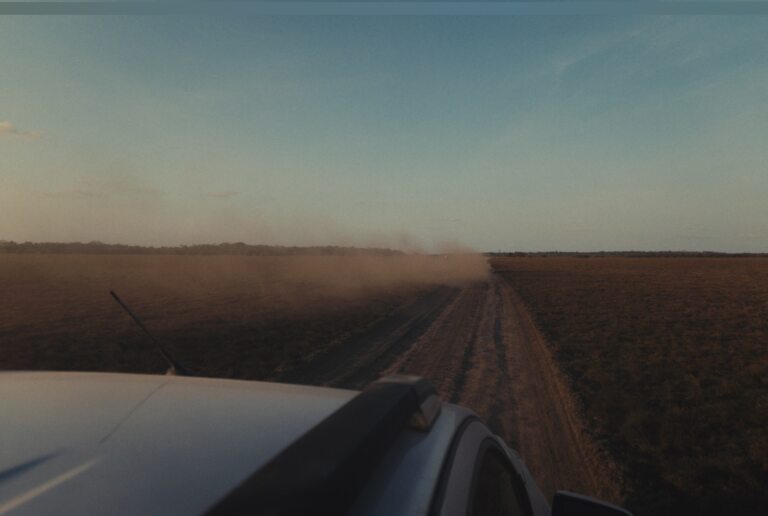
Through the car window, we saw the drought up close: blazing sun, dust in the air and dirt everywhere, all the way to the place where we spent the night. The road is long, but you can understand why water is so badly needed here. Every mile was worth it.
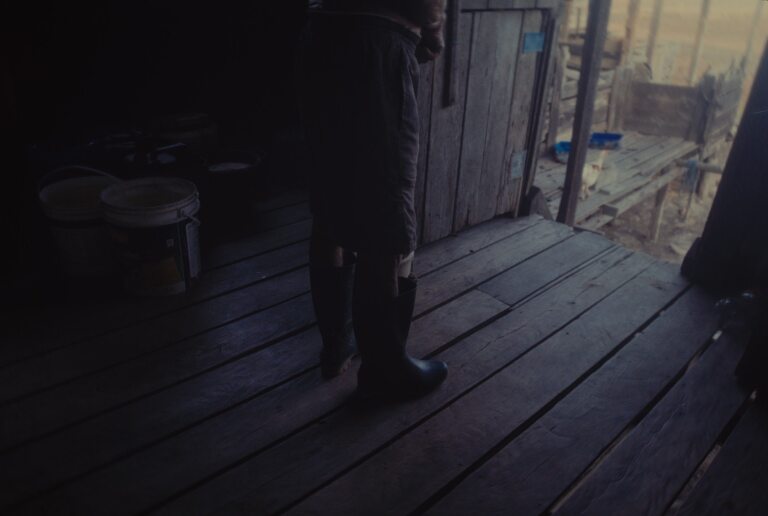
The day starts early at the house where we spent the night. The man who welcomed us into his home was already in his wellies first thing in the morning, ready to feed the animals. For the people who live here, the routine doesn't stop, even in a drought. We went to bring water and were given a roof to sleep under. Thank you for everything.
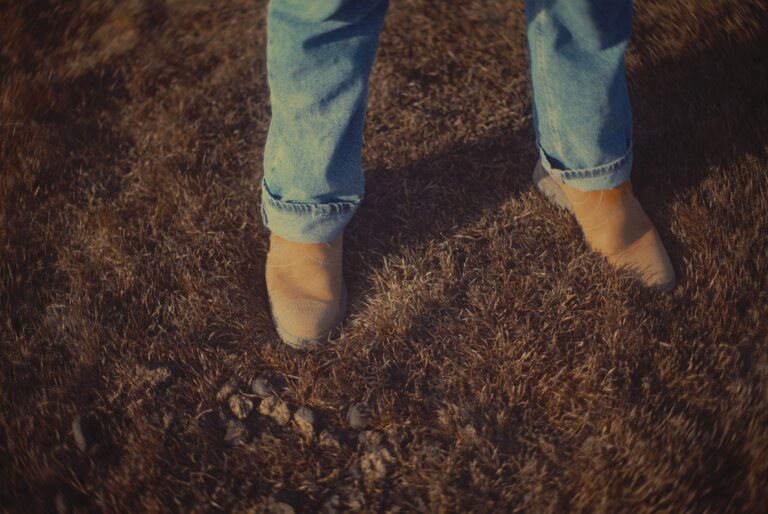
Not everything was emotional. There was also the matter of watching where we stepped. The Marajó buffaloes left their mark, and our friend's boots can vouch for it.
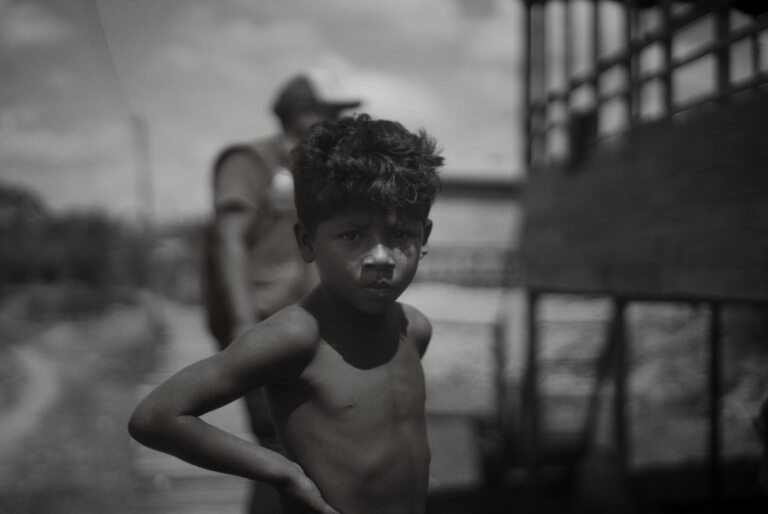
We arrived with water, but what stayed with us most was this look. He looked straight into the camera, curious, as if trying to work out who we were and what was going on. On our side, we didn't quite know what to say either. We hope we left a little relief behind.
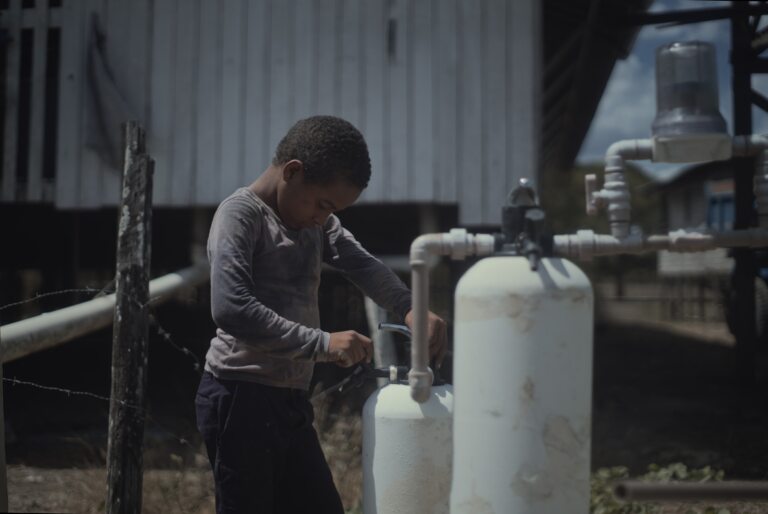
The same boy, now trying to draw water. He tried, and tried again, and nothing came out. With the drought, this is how many people are living here right now. That's why we went.
Comments