
Layers
Explore 1,719 photos in Layers.
Layers in street photography
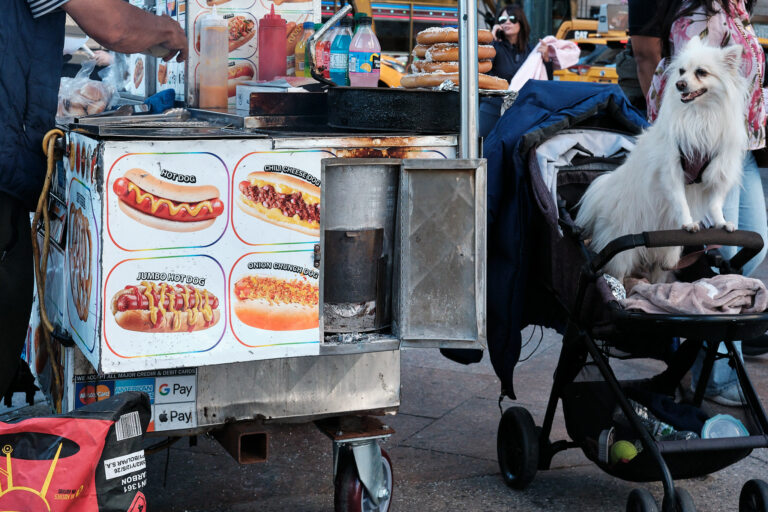
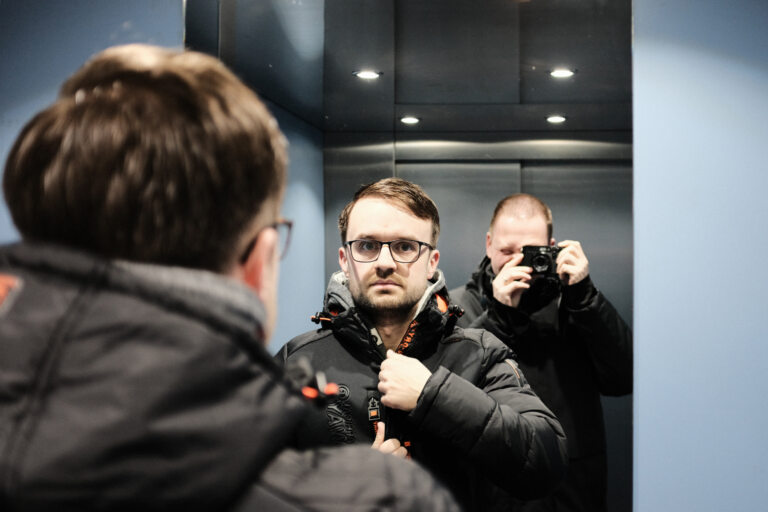
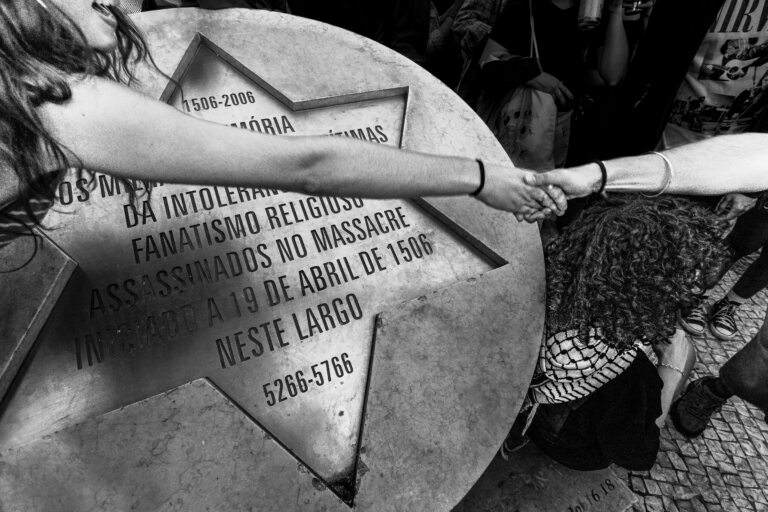
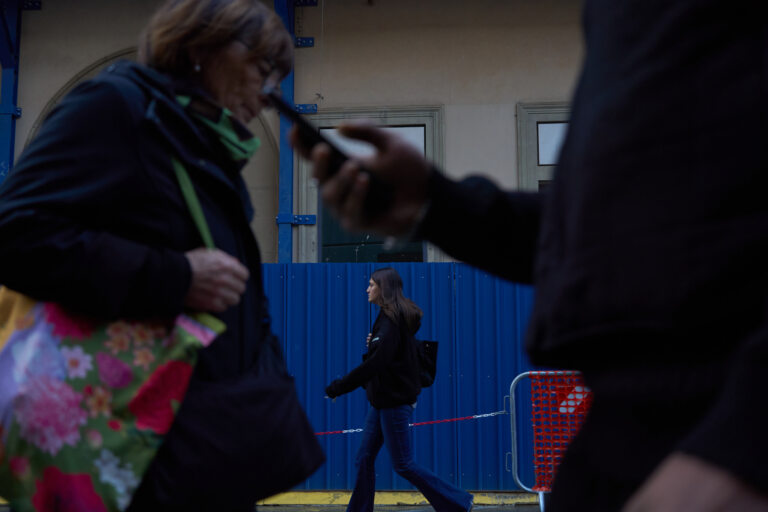
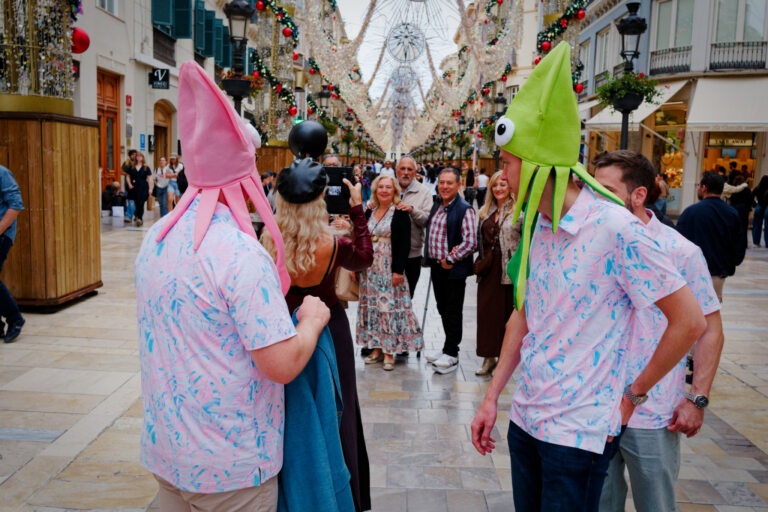
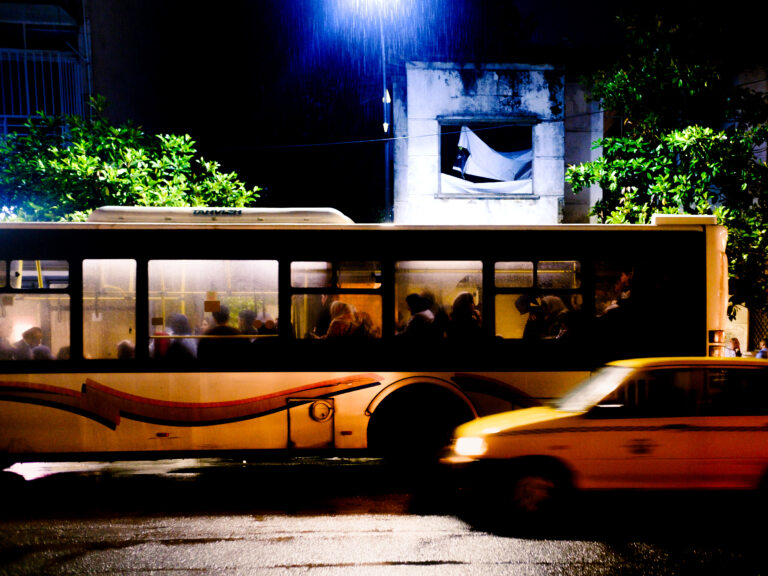
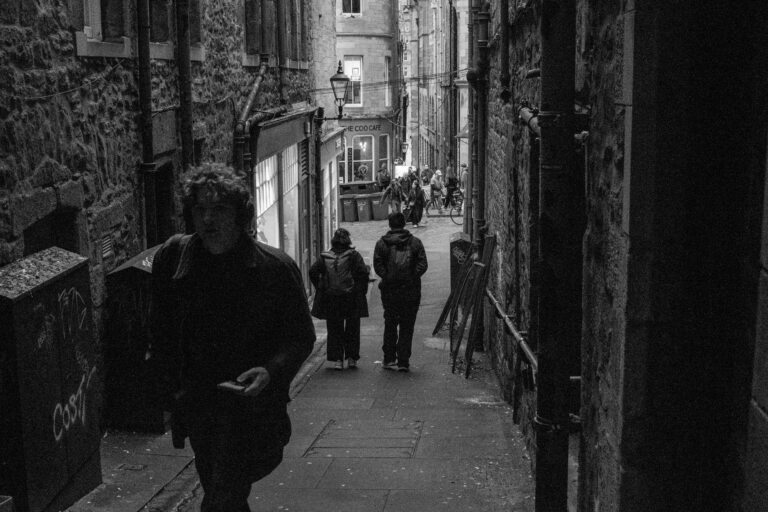
A layered street photo has more than one thing happening at different distances from the camera: a face close to the lens, a group in the middle, something odd in the background. Each layer adds a piece of the story, and the viewer's eye travels from one to the next. When it works, the picture feels dense and alive, like a small world caught in a single frame.
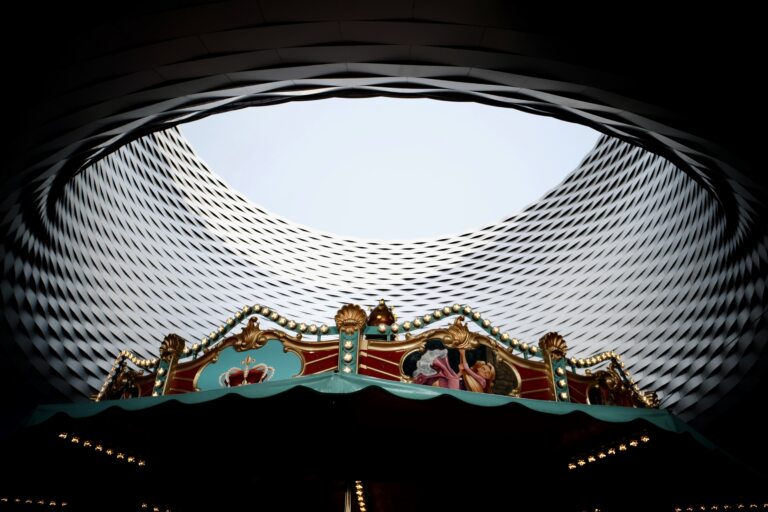
Alex Webb is the best-known master of the approach, packing his color photographs from Haiti, Mexico and Istanbul with overlapping figures, walls and light. Layered frames are hard to make and have a low success rate, which is why many street photographers see them as a real test of skill. These are layered street photos from the PortraitMode community, where every plane of the frame earns its place.
Work crowded places
Layers need people at different depths, so go where crowds are dense but varied: markets, festivals, beaches, busy crossings. Stay in one spot for a while and let the scene rearrange itself around you. A wide or moderately wide lens, around 28 to 35mm, gives you enough depth to fit several planes into the frame without losing detail.
Get close to the foreground
The front layer usually sits just a few feet from the lens, often partly cut off by the edge of the frame. Step in close to someone and include them as a shoulder, a profile or a hand, then look past them for the next layer. This takes confidence, so move calmly and be friendly if someone notices you.
Stop down for depth
To keep several layers readable, use an aperture around f/8 to f/11 and zone focus at about 8 to 10 feet. Bright daylight makes this easy, and in lower light you can raise the ISO instead of opening up. Check that no layer blocks another important one, since overlapping heads are the most common way a layered frame falls apart.
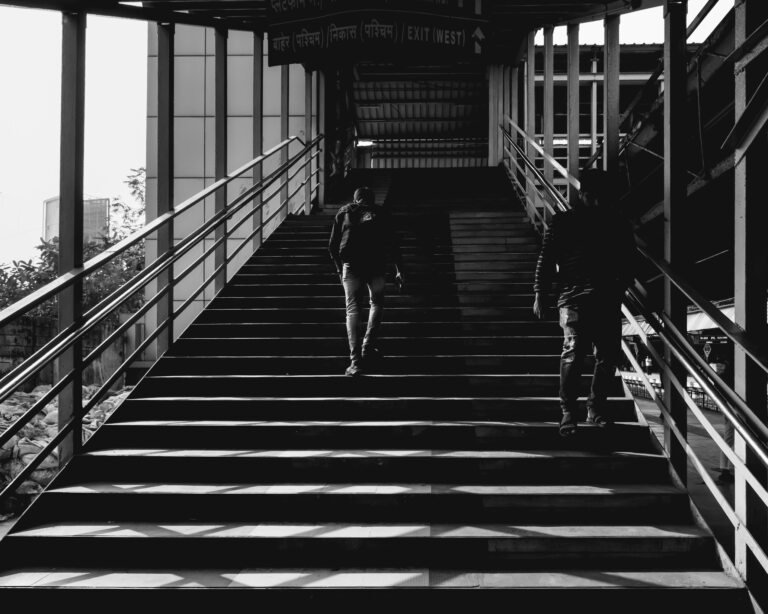
Rhythms of light and shadow
Comments