
Snow
Explore 411 photos in Snow.
Snow in street photography
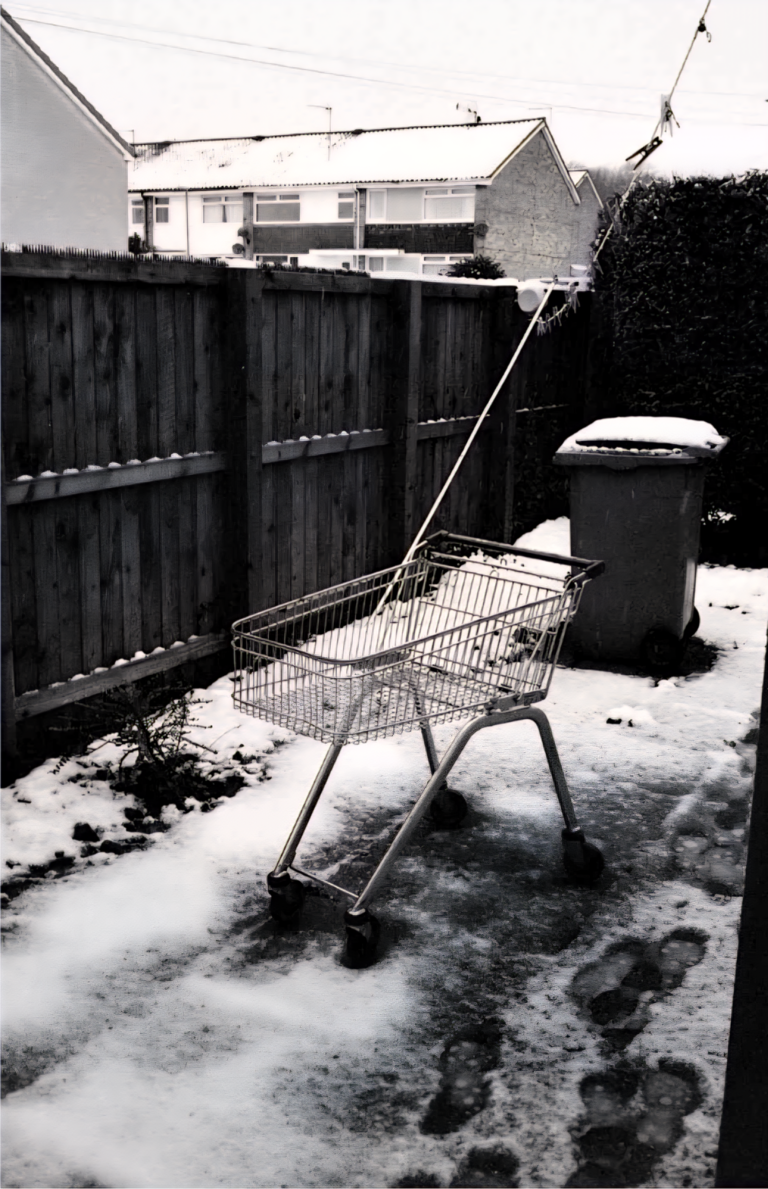
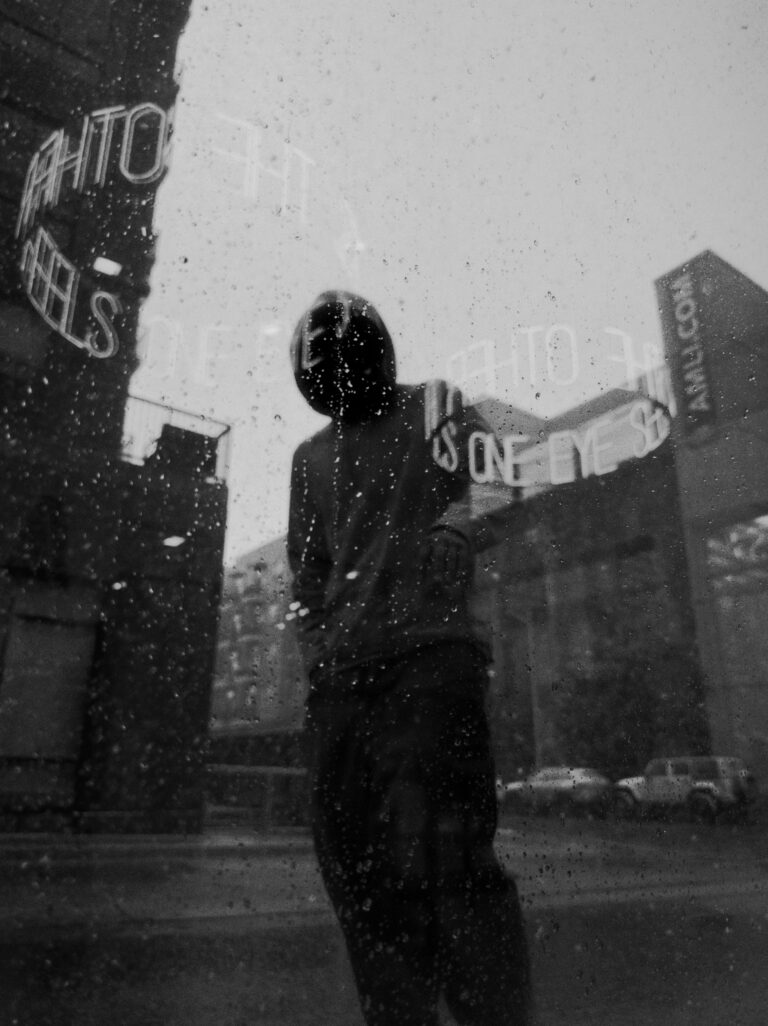
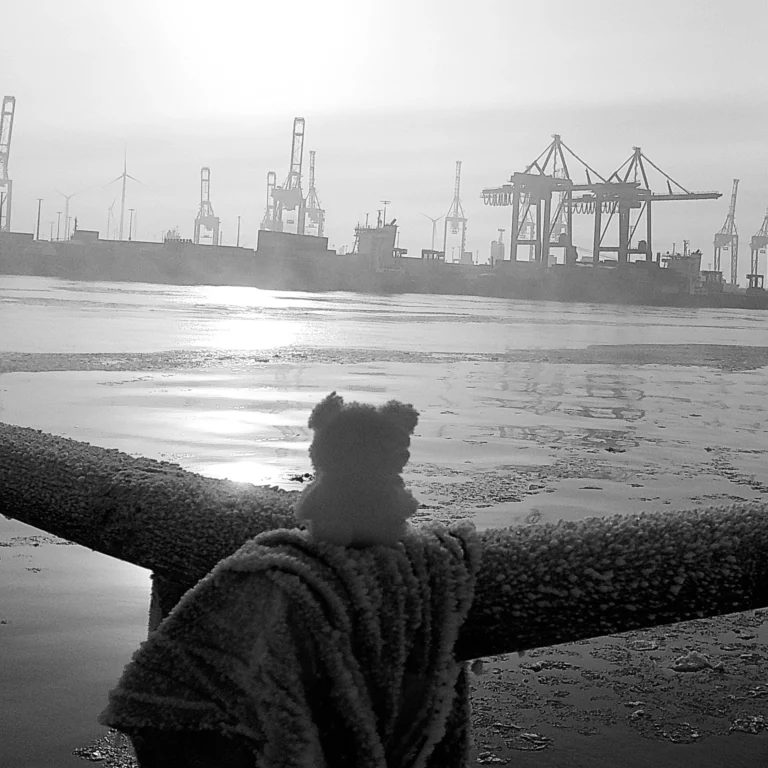
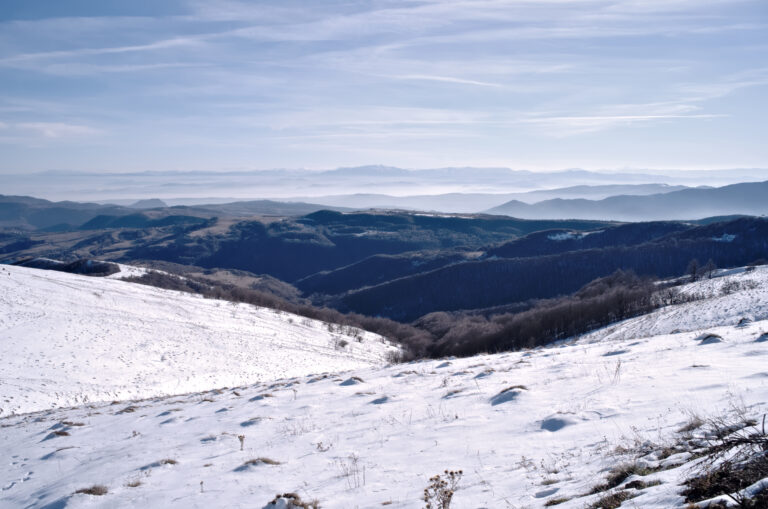
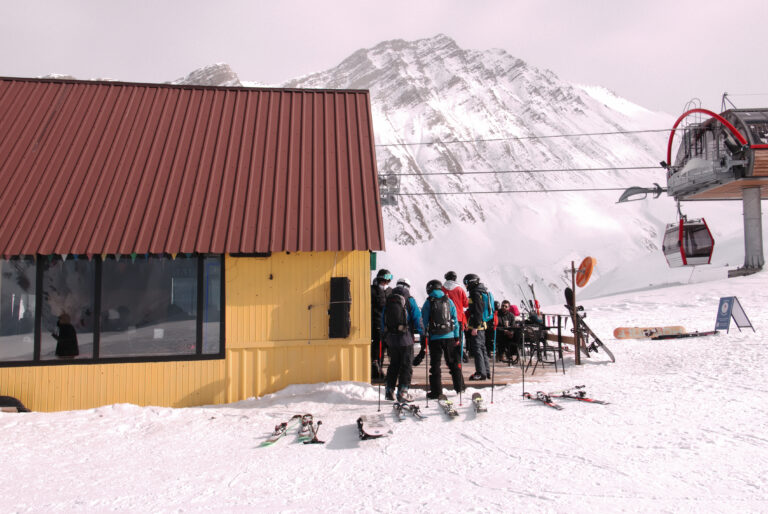
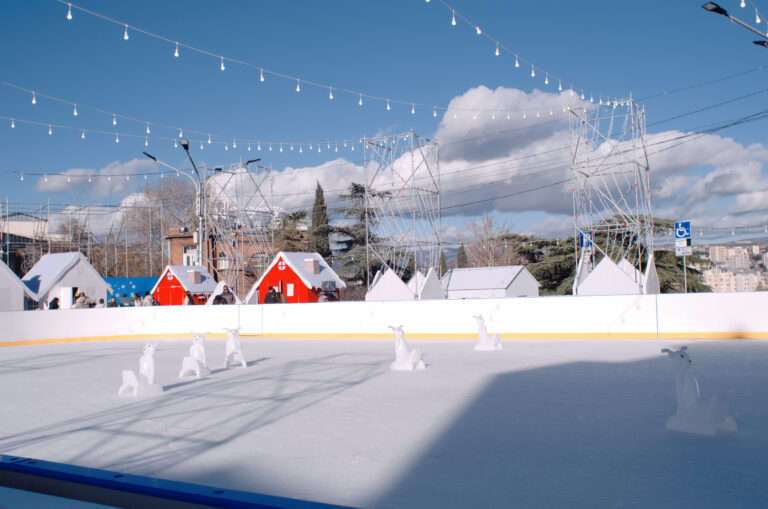
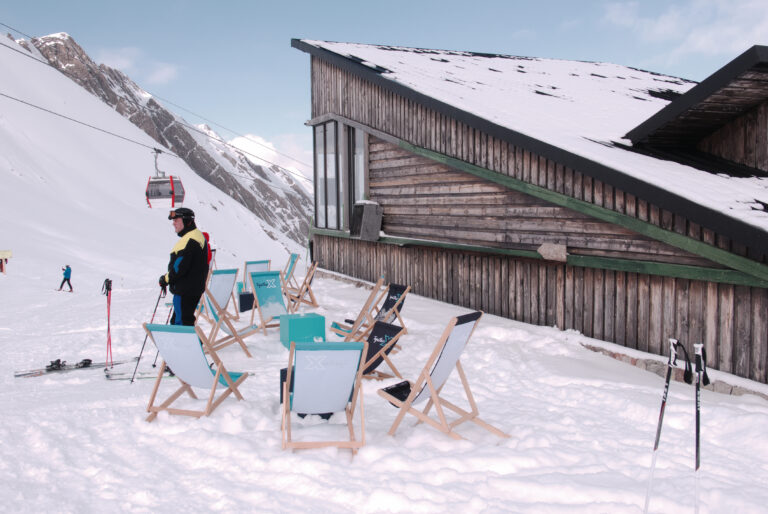
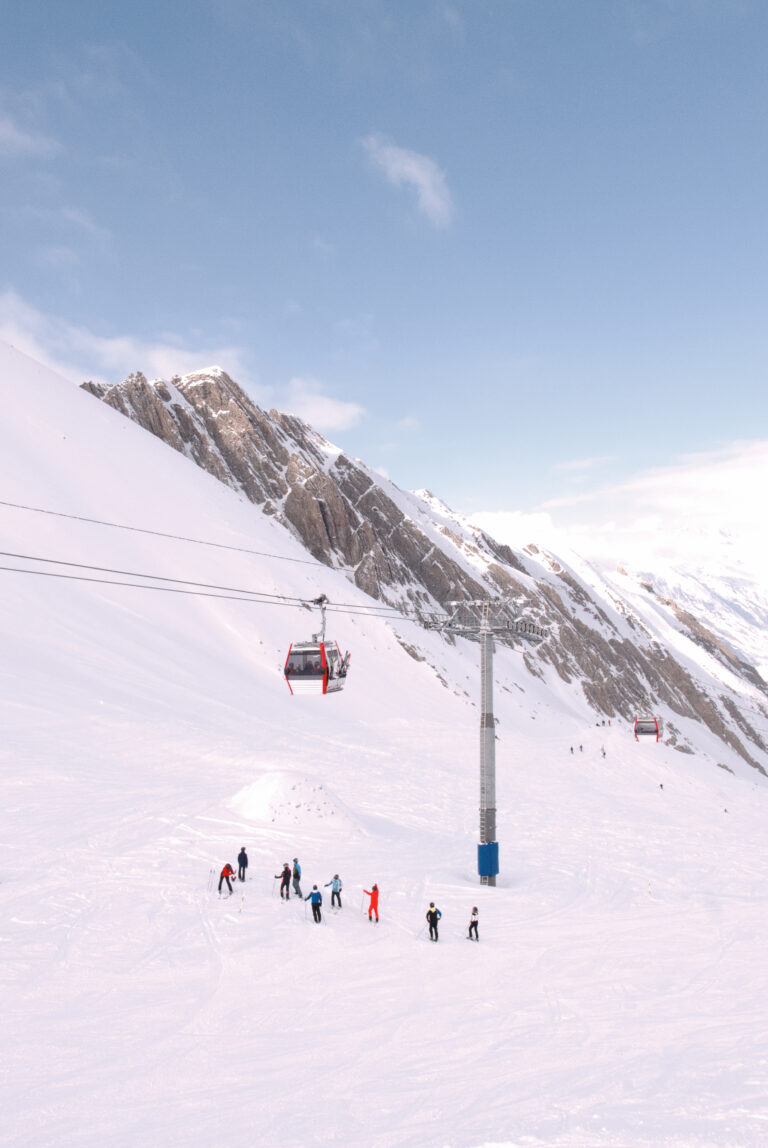
Snow wipes the city clean. It covers clutter, turns streets and parks into blank white canvases and makes every person, dog or car stand out as a clear dark shape. Falling flakes add texture and depth, and the sound of the city goes quiet. In street photography, snow brings out a minimal, graphic quality, almost like ink on paper, while also showing how people cope with the cold.
Alfred Stieglitz's Winter, Fifth Avenue from 1893, showing a horse-drawn coach in a New York snowstorm, is one of the earliest famous photos of snow in the city. Saul Leiter later shot many quiet, snowy New York scenes in color. Typical snow scenes include figures crossing white parks, footprints, people shoveling, umbrellas in a snowfall and streetlights lighting up the flakes at night. Browse snowy street photos from photographers on PortraitMode.
Add exposure for white snow
Cameras see bright snow and try to make it gray. Dial in about one to two stops of positive exposure compensation, then check the histogram so the snow is bright but still holds texture. If a person is your main subject, expose for their face and let the snow go almost white around them.
Make falling snow visible
Snowflakes stand out best against a dark background, such as a dark building, a doorway or the night sky. A shutter speed of around 1/250 s freezes flakes as dots, while 1/30 s stretches them into streaks. Streetlights or a backlit scene at night make the flakes glow and give the frame depth.
Keep batteries and lenses warm
Cold drains batteries quickly, so carry spares in an inside pocket close to your body. When you come back indoors, leave the camera in its bag for a while, so it warms slowly and no condensation forms on the lens or inside the body. Gloves with fingertip openings let you keep working the controls outside.
Comments