
Canon EOS 250D
Explore 149 photos taken with the Canon EOS 250D.
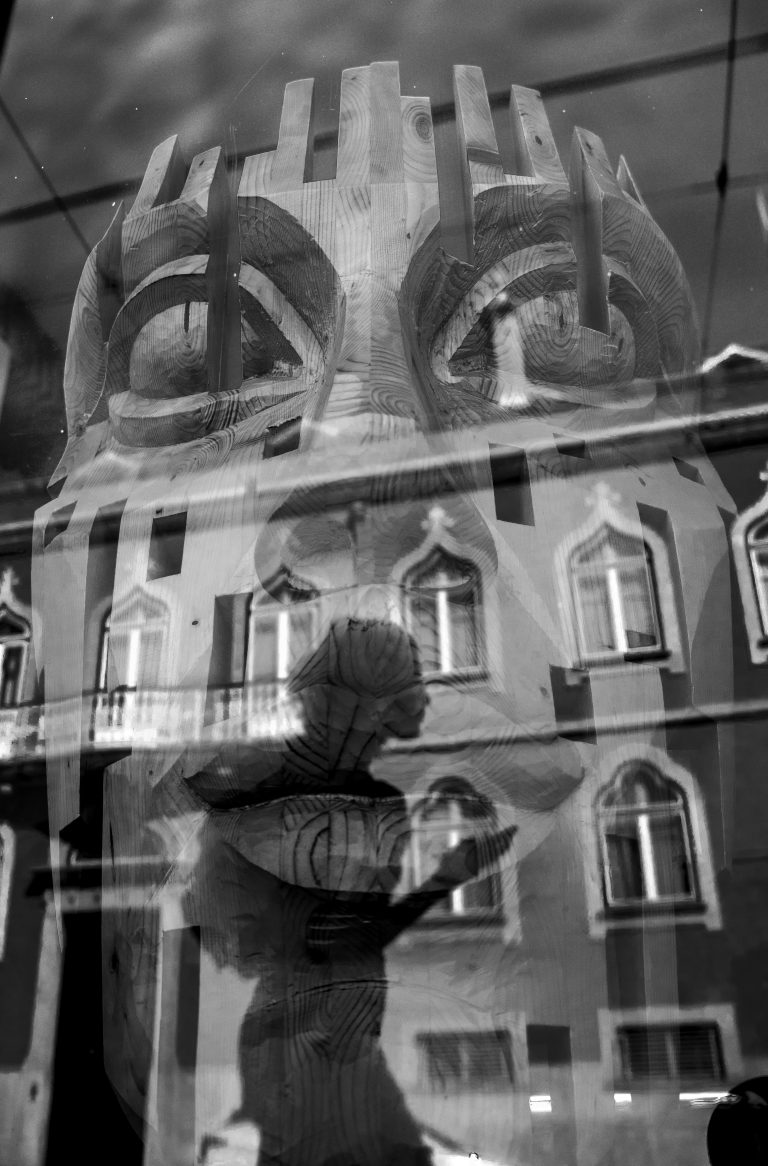
Reflection of the street and of the 18th-century Convent of Nossa Senhora da Assunção on the storefront window of Galeria São Mamede. Rua da Escola Politécnica, Lisbon.
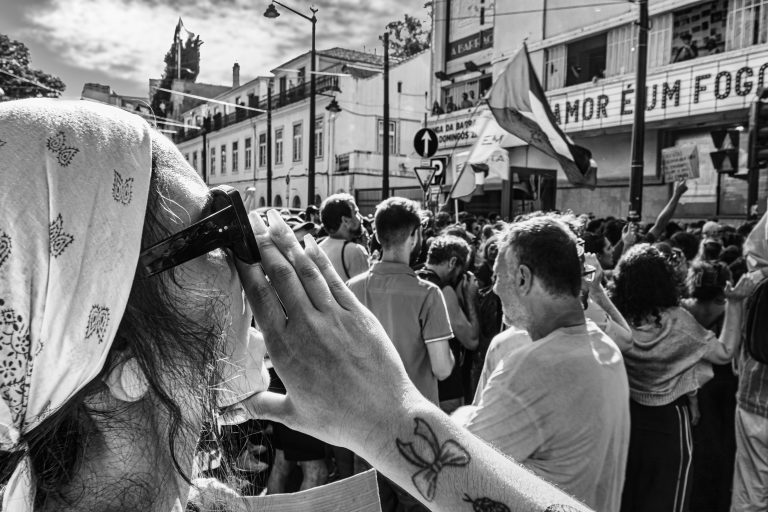
On June 15, 2025, hundreds of people gathered in solidarity in front of the A Barraca theater in Lisbon to condemn racism, xenophobia, and far-right violence. The demonstration was organized in response to a violent attack on June 10 by a neo-Nazi group against actor Adérito Lopes and other members of the theater company as they were preparing for a performance. Under the slogan "We don't want to live in a country of fear," protesters demanded justice, government intervention against hate crimes, and an end to fascist intimidation in Portugal. The demonstration brought together various anti-fascist, anti-racist, and activist groups who integrated the protest into a broader global struggle against oppression, linking the fight against domestic far-right violence with international resistance and solidarity for the Palestinian cause.
On the theater marquee, we can read "AMOR É UM FOGO...", i.e., "LOVE IS A FIRE...", the truncated line from the sonnet "Amor é um fogo que arde sem se ver" (Love is a fire that burns unseen) by Luís Vaz de Camões, Portugal's greatest epic poet.
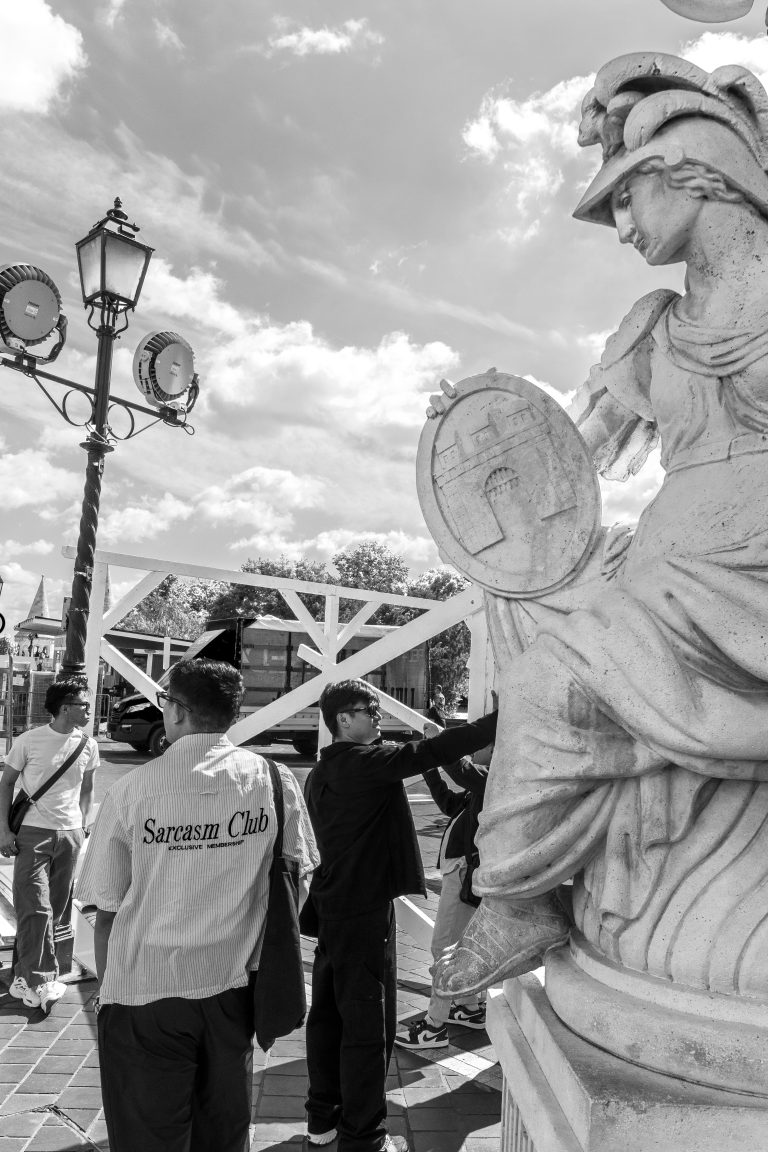
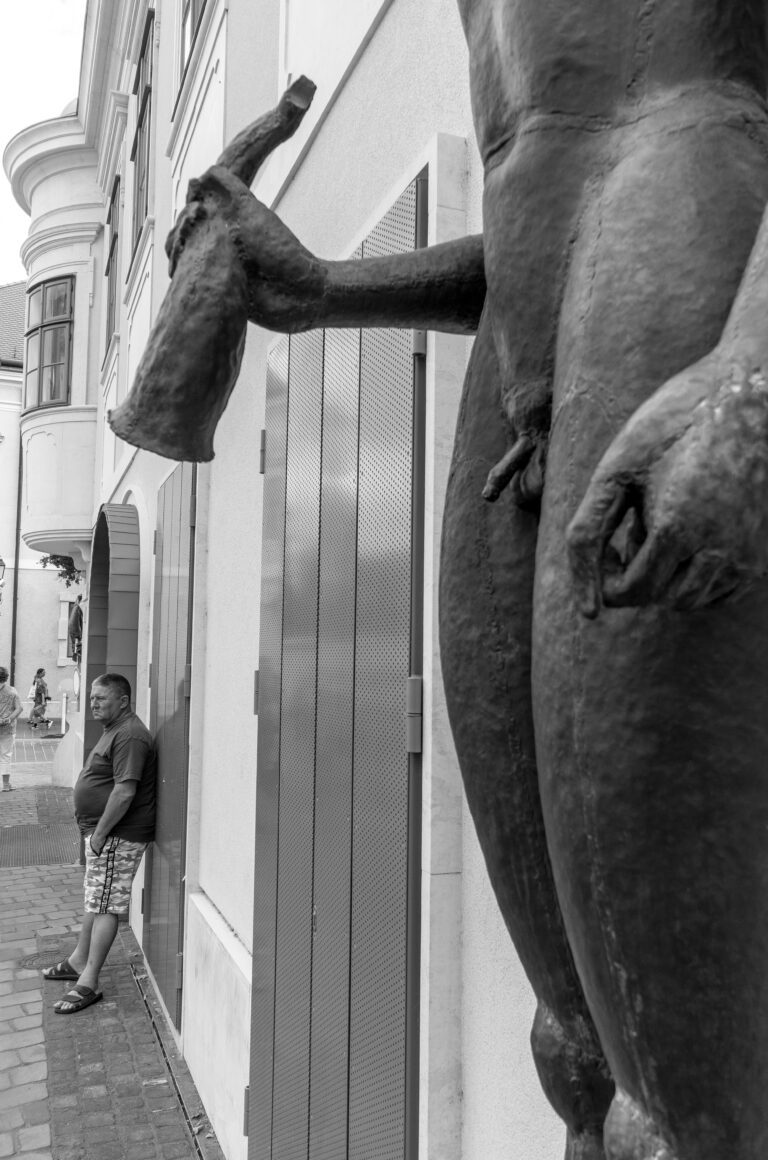
The Statue of goddess Pallas Athene in Budapest’s Castle District is a 1785 limestone sculpture by Carlo Adami that symbolizes the guardianship and protection of the city of Buda. Approached with severe solemnity, the Statue of Pallas Athene on Castle Hill distances herself from aggressive warfare to stand as the ultimate symbol of cold wisdom, calculated reason, and civic order. Sculpted with an austere expression and an unflinching posture, the goddess embodies the intellectual guardianship of Buda, conveying that her true power lies in the mind rather than raw violence. The heavy helmet crowning her head features a small owl, the sacred emblem of intellect and nocturnal foresight, while her rigid, unyielding gaze reflects the sternness with which she watches over the former Town Hall. Though she wields a shield and spear, her static presence radiates a disciplined authority, reminding passersby that justice and governance require, above all, unwavering discernment and prudence.
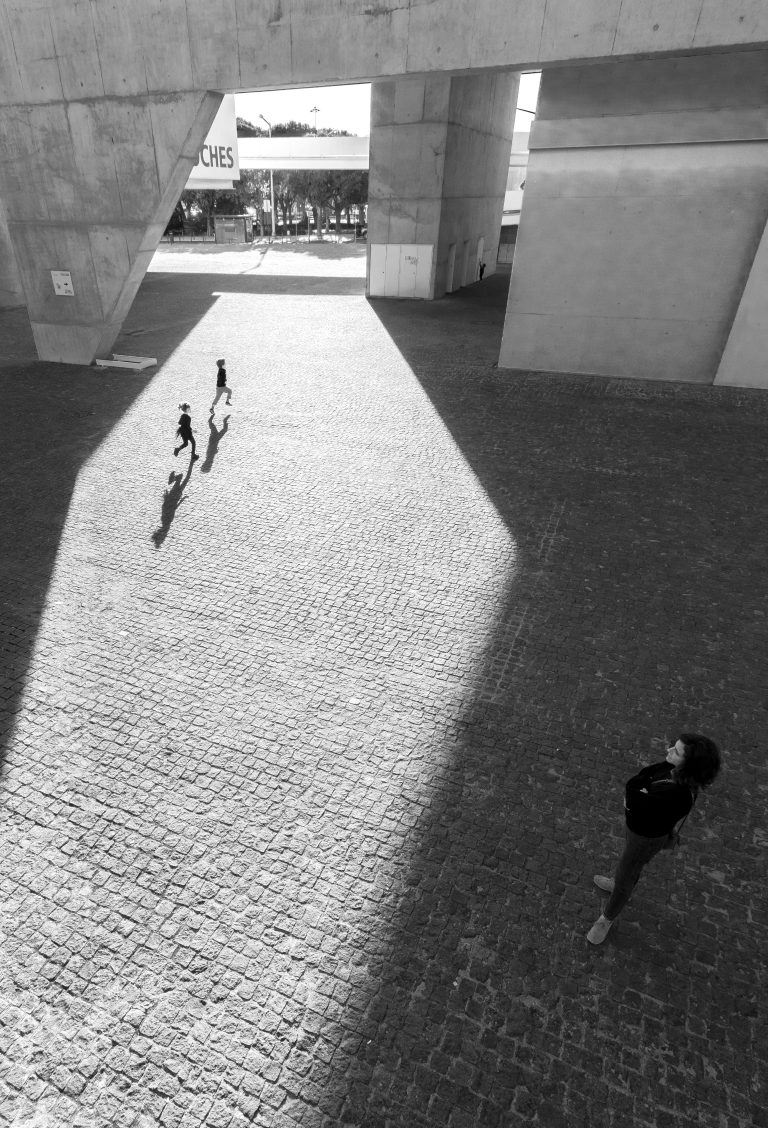
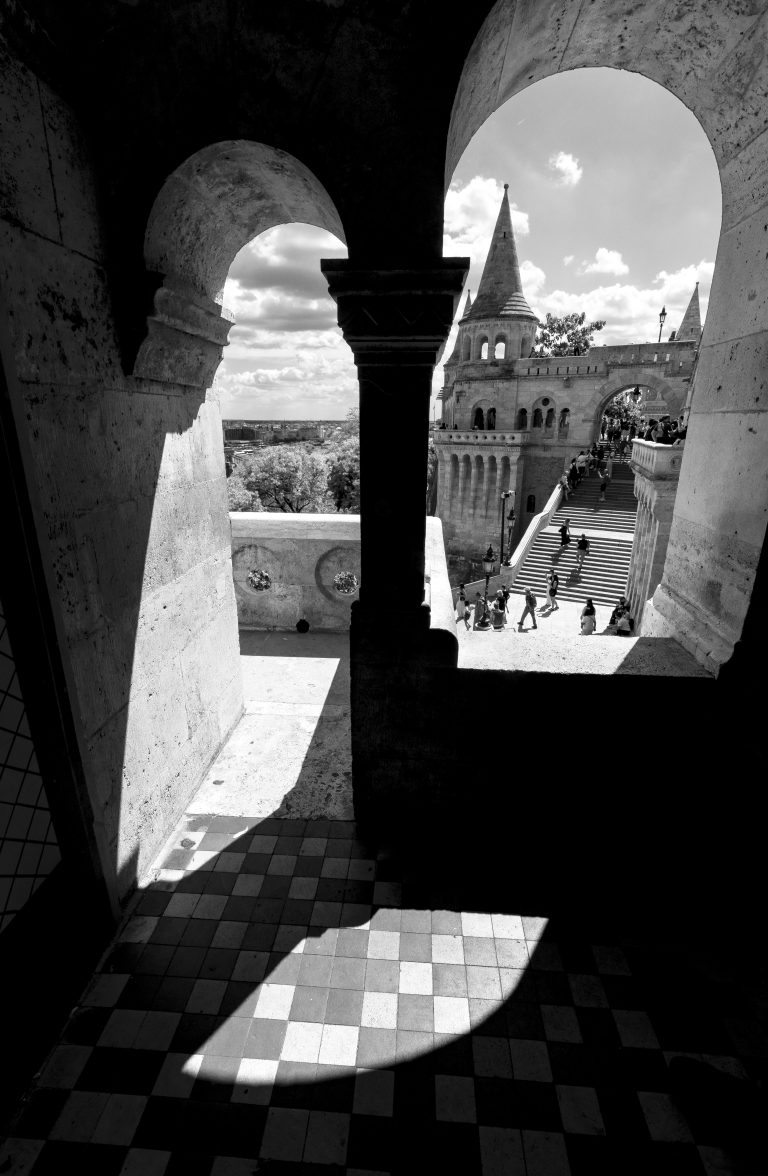
Fisherman's Bastion, located in Budapest, Hungary, was built between 1895 and 1902 to celebrate the thousandth anniversary of the Hungarian state, replacing a section of old medieval castle walls. Designed by architect Frigyes Schulek in a Neo-Romanesque style, its seven iconic towers represent the seven Magyar tribes that founded the nation in 896. The monument gets its unique name from the guild of fishermen who were historically responsible for defending this specific stretch of the ramparts during the Middle Ages.

Sign up today & start exploring.
Sign up - it's 100% free
Comments