
Beige
Explore 383 photos in Beige.
Beige tones in street photography
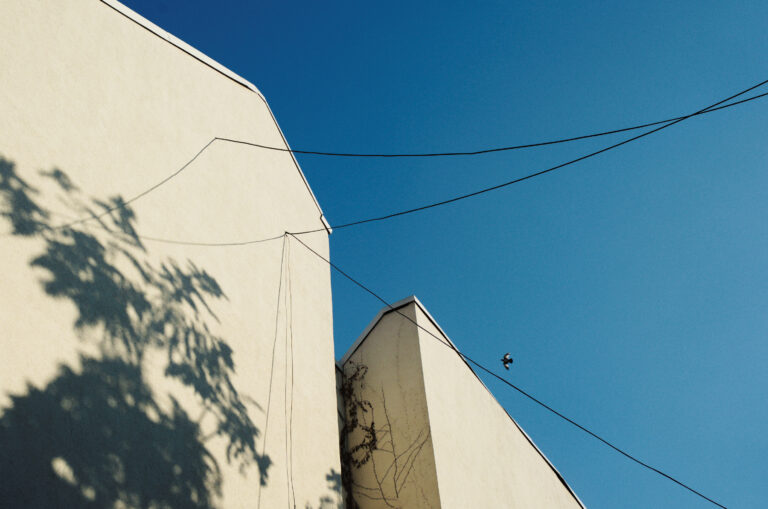
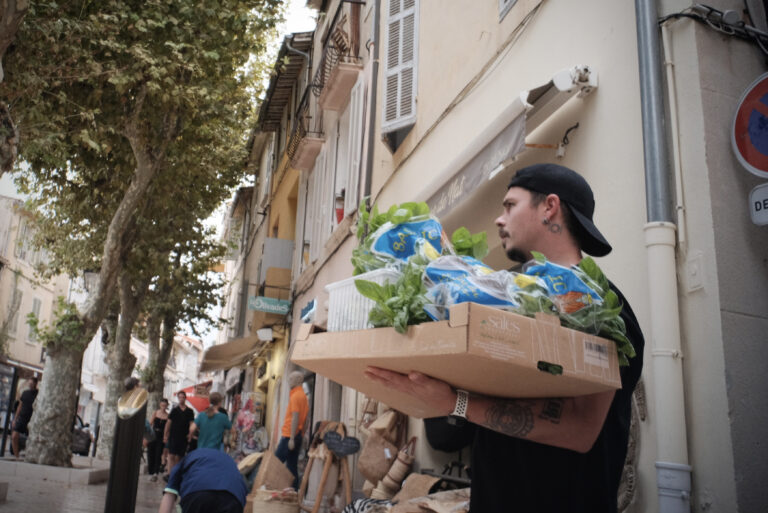
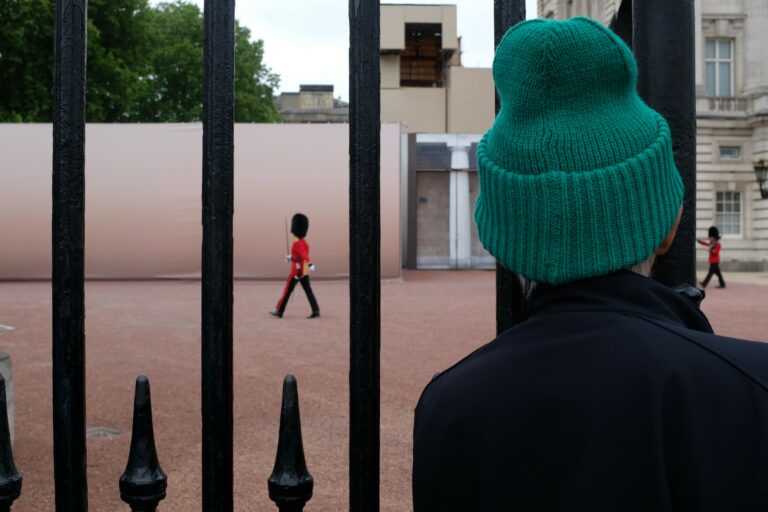
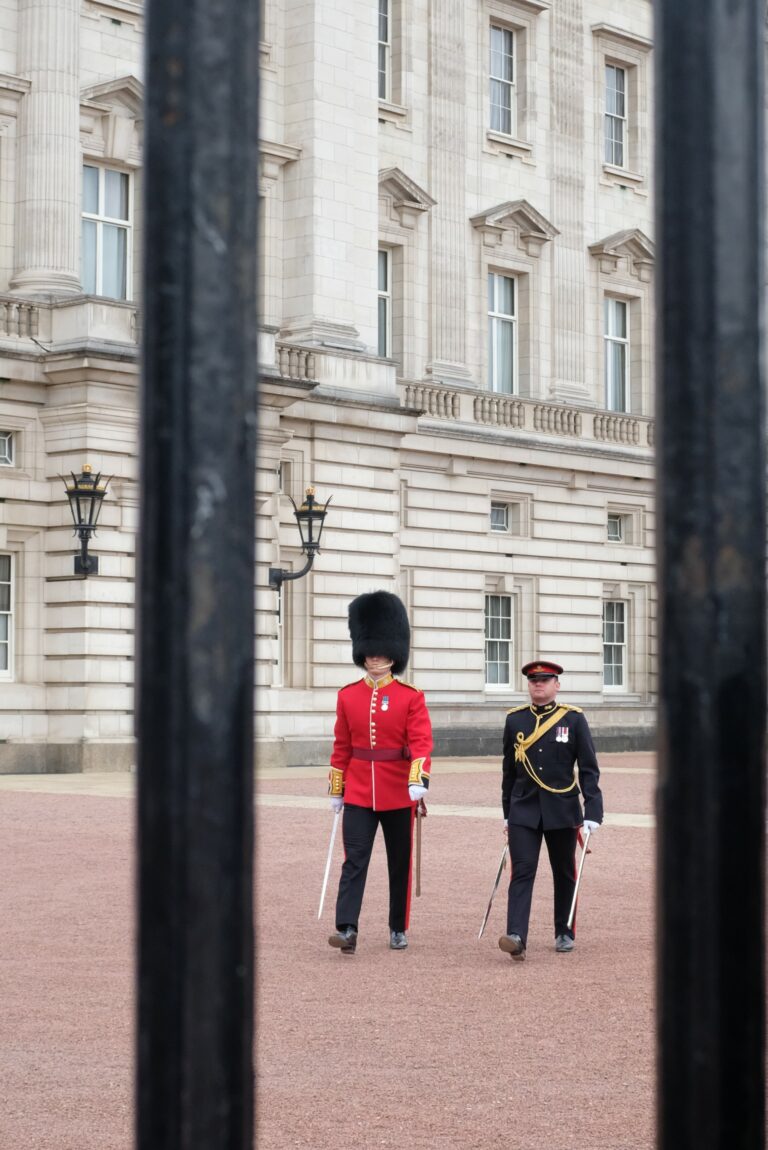
Beige is the color of sandstone, linen coats, dry plaster and dusty roads. It rarely shouts, which is exactly why it works: a frame built on warm, muted neutrals feels calm and timeless, and any small accent (a red scarf, a dark doorway, a blue sign) stands out sharply against it. In street photography, a beige palette lets gesture and light do the talking instead of color.
You'll find beige in old Mediterranean and Middle Eastern towns, desert cities, limestone facades and stone squares baked by the afternoon sun. Trench coats, cardboard, sand and faded awnings add to it in cities everywhere. Many photographers lean into the look in editing, pulling saturation down and warming the whites for a quiet, film-like mood. Browse the beige street photos below to see how others handle these understated tones.
Look for stone and sand
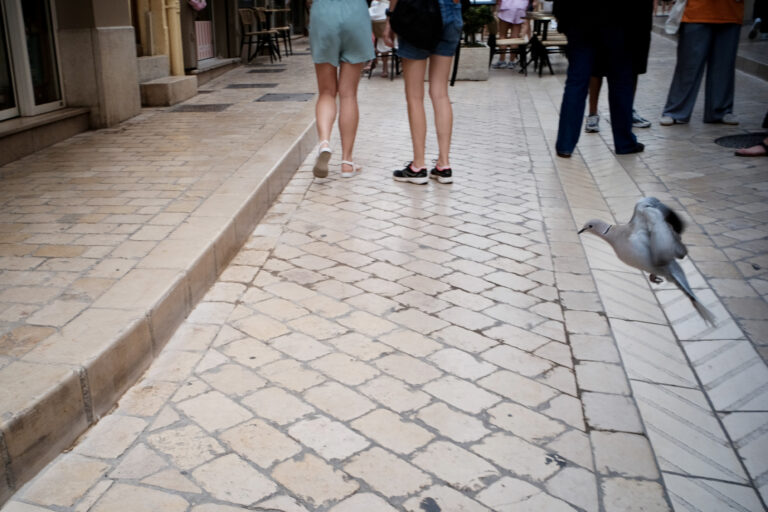
Limestone, sandstone and plastered walls give you large, even beige surfaces to build a frame around. Old town centers, dry riverbeds, beaches and desert cities are full of them. Position yourself so the wall or ground fills most of the background, then wait for a person whose clothing either blends in or adds one clear contrast.
Add a single accent
A beige frame can feel flat if everything shares the same tone. Look for one element that breaks it: a dark figure, a bright umbrella, a green shutter or a patch of deep shadow. Keep that accent small and place it where the eye will land, such as along a third of the frame or at the end of a leading line.
Keep the whites warm
When editing, beige easily drifts toward gray or yellow. Set white balance slightly warm, lower saturation a little rather than a lot, and watch the highlights so pale stone keeps its texture. Soft, slightly raised shadows suit the gentle mood, while crushed blacks can make the image feel harsher than its colors suggest.
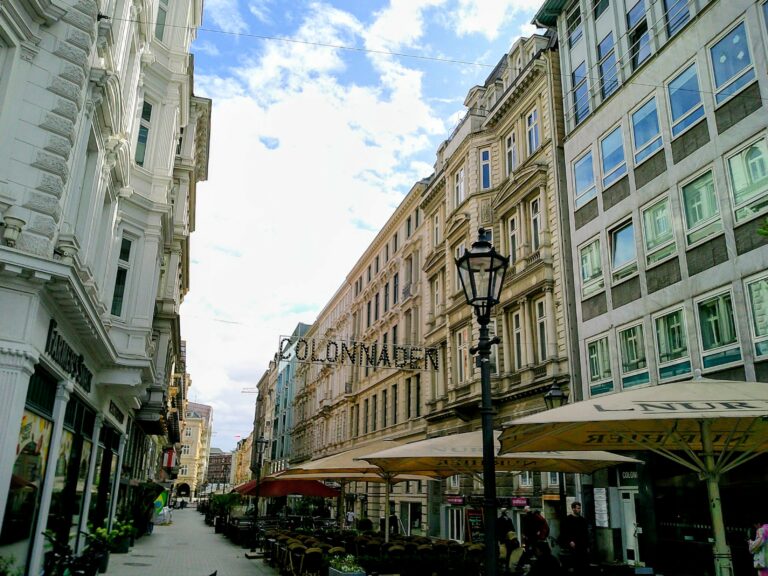
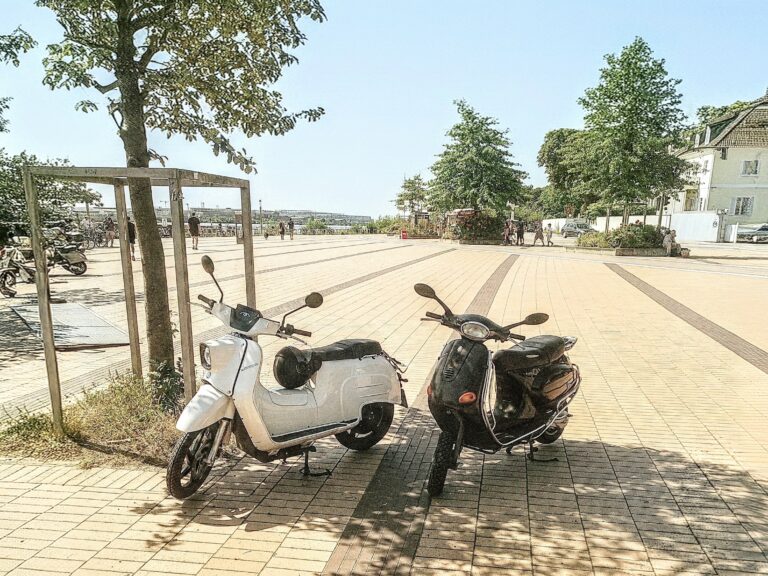
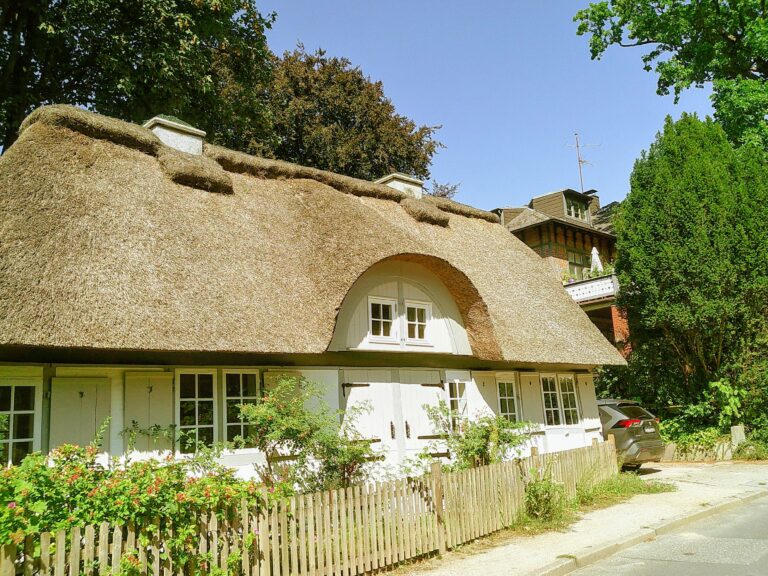
Street scene in Hamburg late August
Comments