
Expression
Explore 2,450 photos in Expression.
Facial expressions in street photography
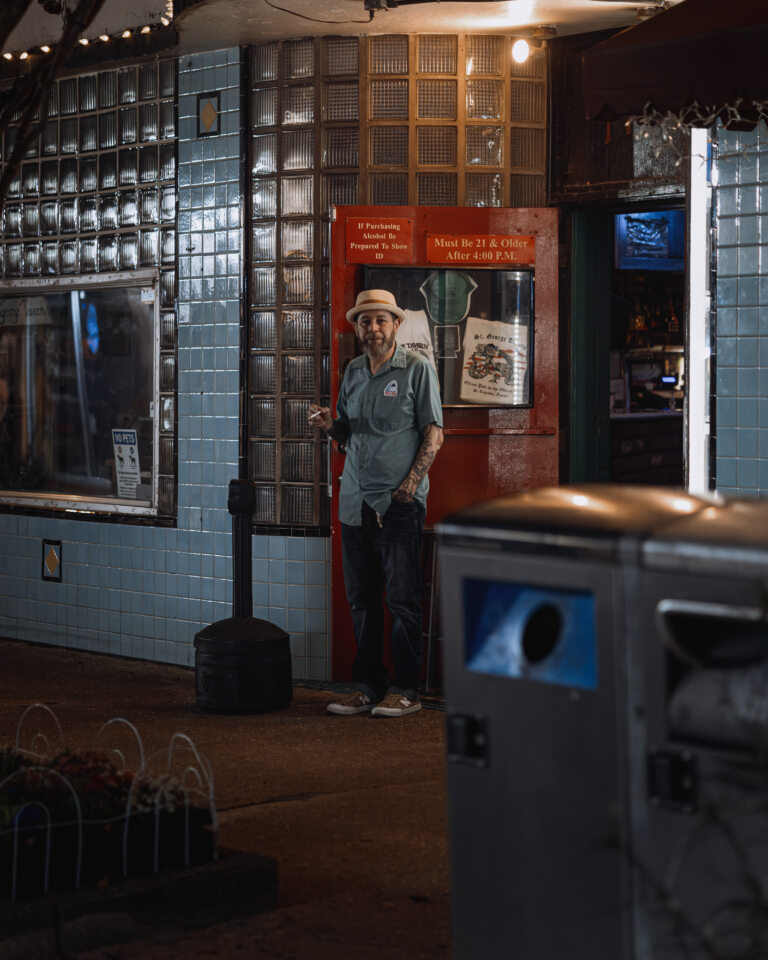
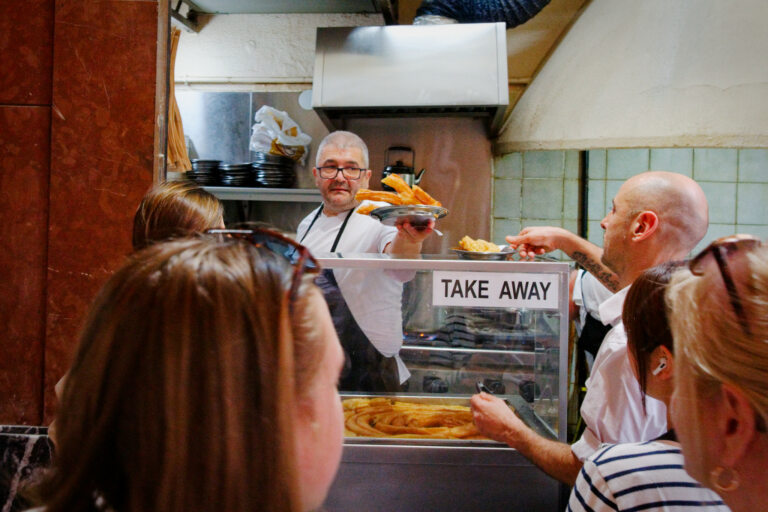
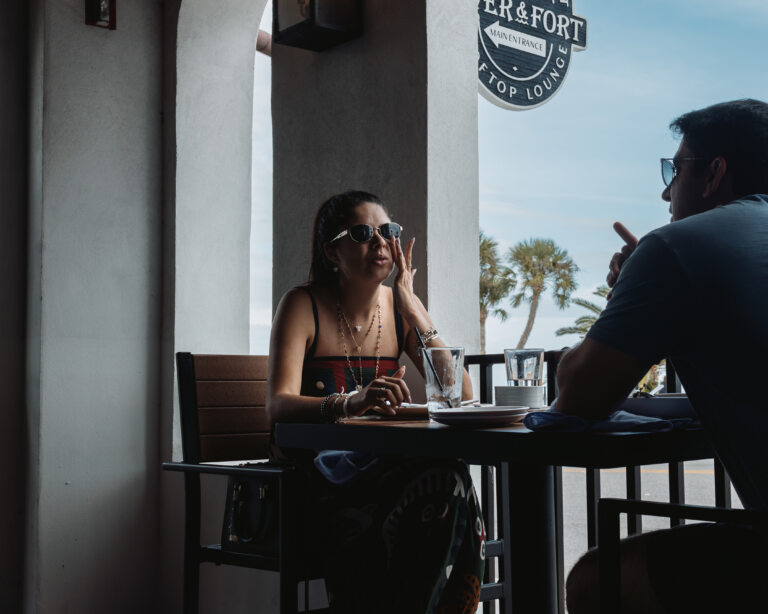
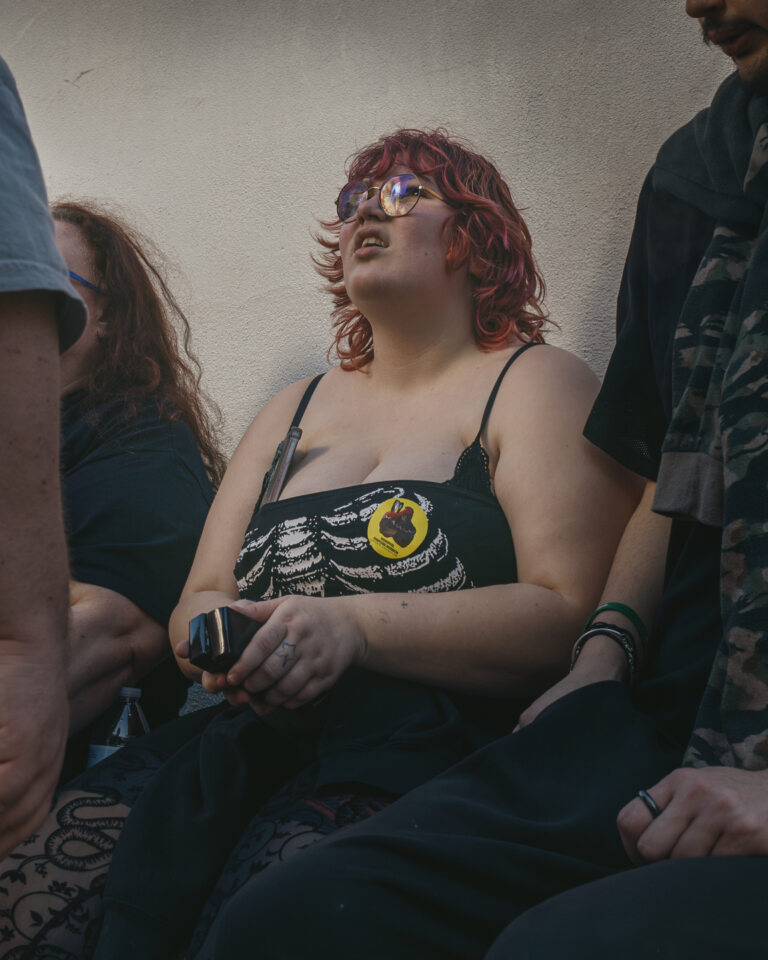
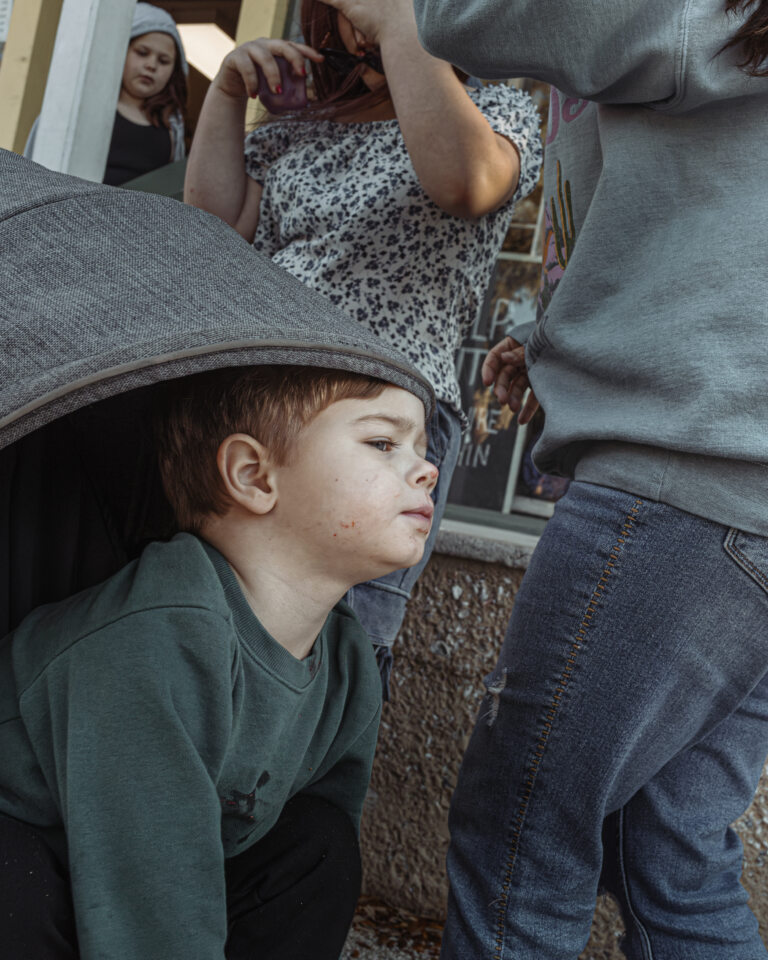
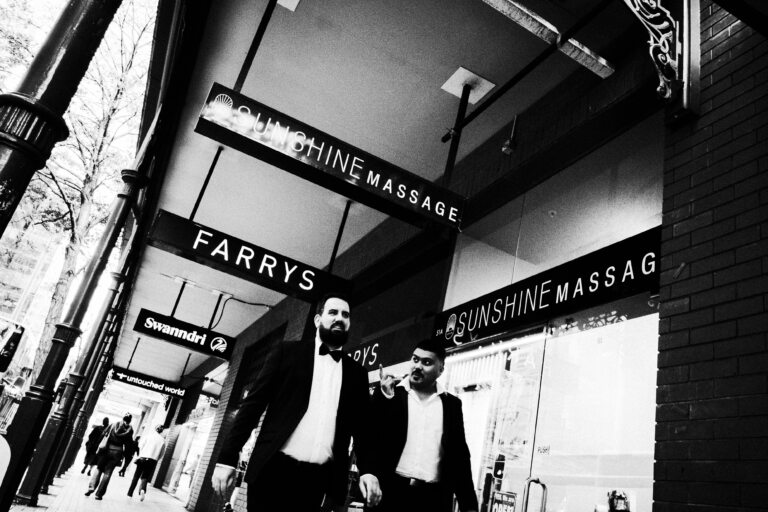
An expression is what the face does when a thought crosses it: a frown, a grin, raised eyebrows, a blank stare into the distance. In street photography, an expression is often the detail that decides whether a picture works at all. Viewers instinctively read faces first, so a strong expression pulls them straight into the frame and makes them wonder what just happened.
Bruce Gilden became known for working close with flash, catching tense and unguarded faces on the streets of New York. Other photographers prefer quieter moments, like a commuter lost in thought on a train. Faces at concerts, sports events and street performances are especially lively. Browse expressions caught on streets around the world in this PortraitMode collection.
Fill more of the frame
Expressions are small, so they need space in the frame. Move closer or use a short telephoto lens around 85mm so the face fills a meaningful part of the picture. At a respectful distance, a longer lens also lets people stay natural, because they don't feel the camera right in front of them and keep reacting to what they see.
Follow the audience
Instead of photographing the street performer, the parade or the match, turn around and photograph the people watching it. Spectators react openly with laughter, shock or concentration, and they rarely notice a photographer because their attention is elsewhere. The event itself can stay out of frame and still be felt through their faces.
Nail focus on the eyes
Set a single autofocus point or use eye detection, and make sure the nearest eye is sharp. A slightly soft background is fine, but a soft eye ruins an expression. Shooting at f/2.8 to f/4 gives enough depth for the face while separating it from the clutter of the street behind, even with a moving subject.
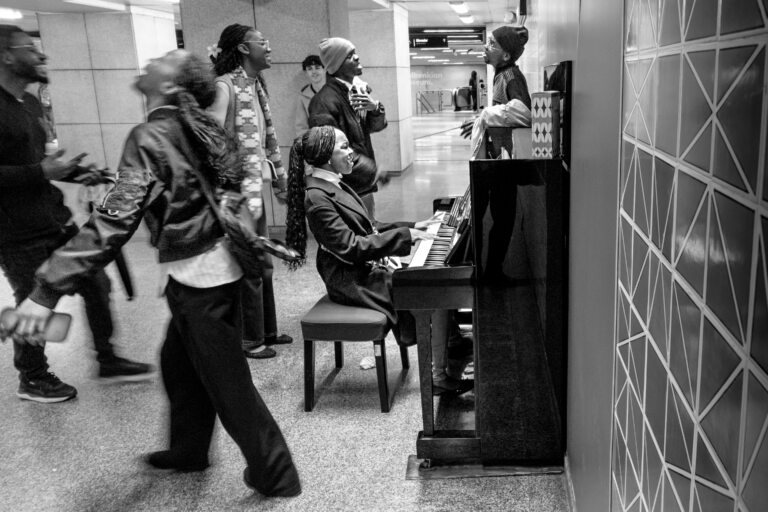
An impromptu gospel performance around a public piano at São Sebastião Metro Station, Lisbon. For a few minutes, the station became a place of music, movement and shared joy.
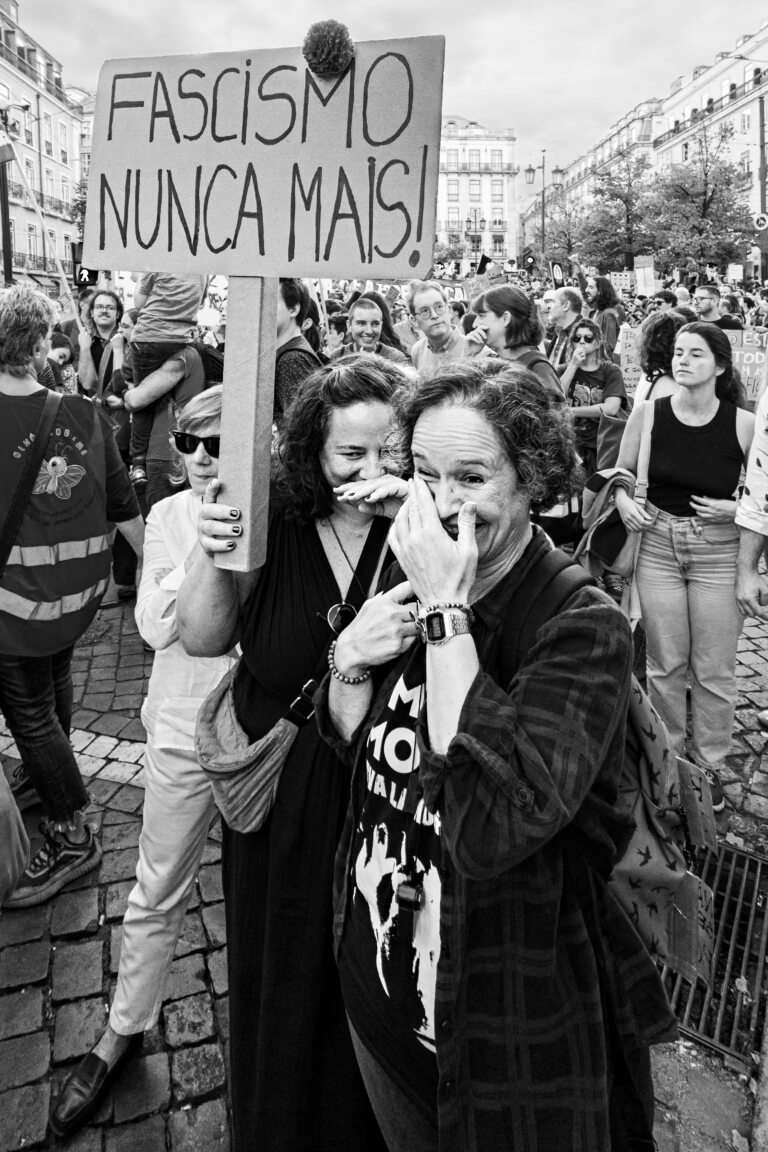
Crowned with a carnation, the emblem of Portugal’s 1974 revolution that ended nearly five decades of dictatorship, the placard "Fascismo Nunca Mais!" ("Fascism Never Again!") echoes an enduring civic vow against authoritarianism. As international observers like Freedom House and V-Dem warn of growing polarization and institutional pressures in contemporary Portugal, street protests mobilize that historical memory to defend civil liberties.
Having obtained real knowledge from a self-realized soul, you will never fall again into such illusion, for by this knowledge you will see that all living beings are but part of the Supreme, or, in other words, that they are Mine.
~ Bhagavad Gita As It Is
Comments