
Half-frame
Explore 145 photos in Half-frame.
Half-frame street photography
A half-frame camera exposes 18x24 mm on standard 35mm film, half the usual frame, so a 36 exposure roll gives you around 72 pictures. Because the frame runs vertically when you hold the camera normally, portrait orientation becomes your default, which suits standing figures, doorways and narrow streets. The small negative shows more grain, but the low cost per shot makes you freer to experiment.
Half-frame had its golden era in the 1960s, led by Olympus with the Pen series designed by Yoshihisa Maitani, including the Pen F, a half-frame SLR. Interest has returned in recent years, helped by new cameras like the Pentax 17, released in 2024. Many shooters present neighboring frames side by side as diptychs. You'll find half-frame work from our members right here.
Think in pairs
Two consecutive frames sit side by side on the negative, and many labs scan them together. Use that on purpose: shoot a wide scene followed by a detail, or two moments a second apart, and present them as a diptych. Pairs that share a color, a shape or a direction of movement tend to hold together best, so plan the second frame while taking the first.
Turn it for horizontals
A half-frame camera shoots vertical by default, so turn it on its side when you want a horizontal frame. For street work, vertical often helps: it isolates a single person and cuts out busy surroundings. Still, mix both orientations on a roll so habit alone does not decide the look of every picture, and wide scenes get the room they need.
Use finer grain film
The small negative is enlarged more than a full 35mm frame, so grain and softness show sooner. In good light, an ISO 100 or 200 film keeps prints and scans cleaner. Ask your lab for higher resolution scans, and check that they cut and scan half-frame properly, since some scanners treat each pair of frames as one single image.
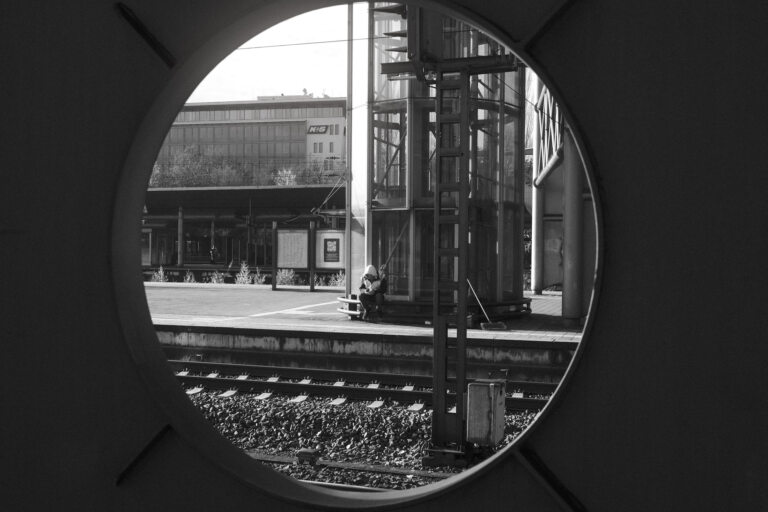
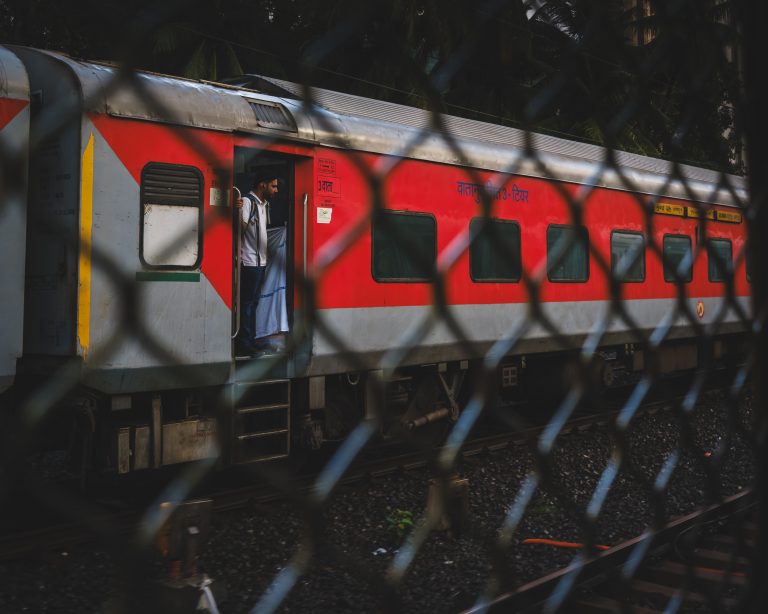
Frame within a frame. A quiet traveler on the Mumbai-Jaipur.


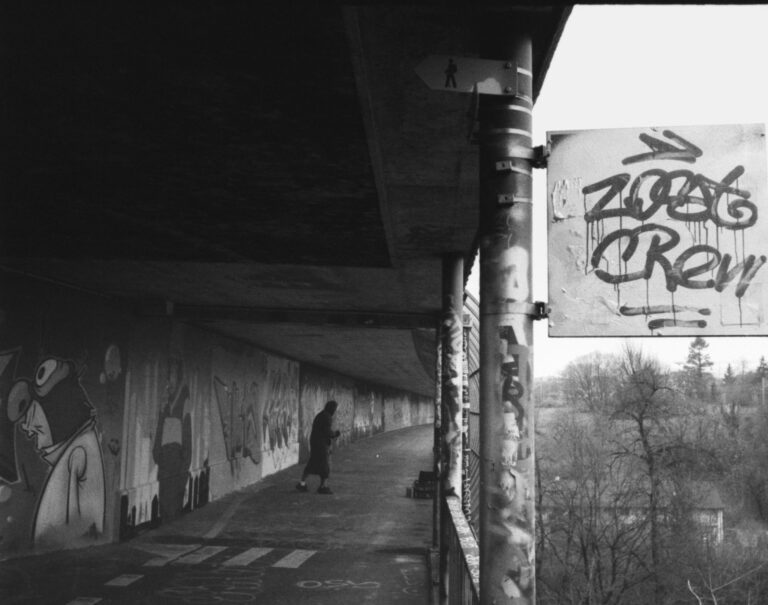
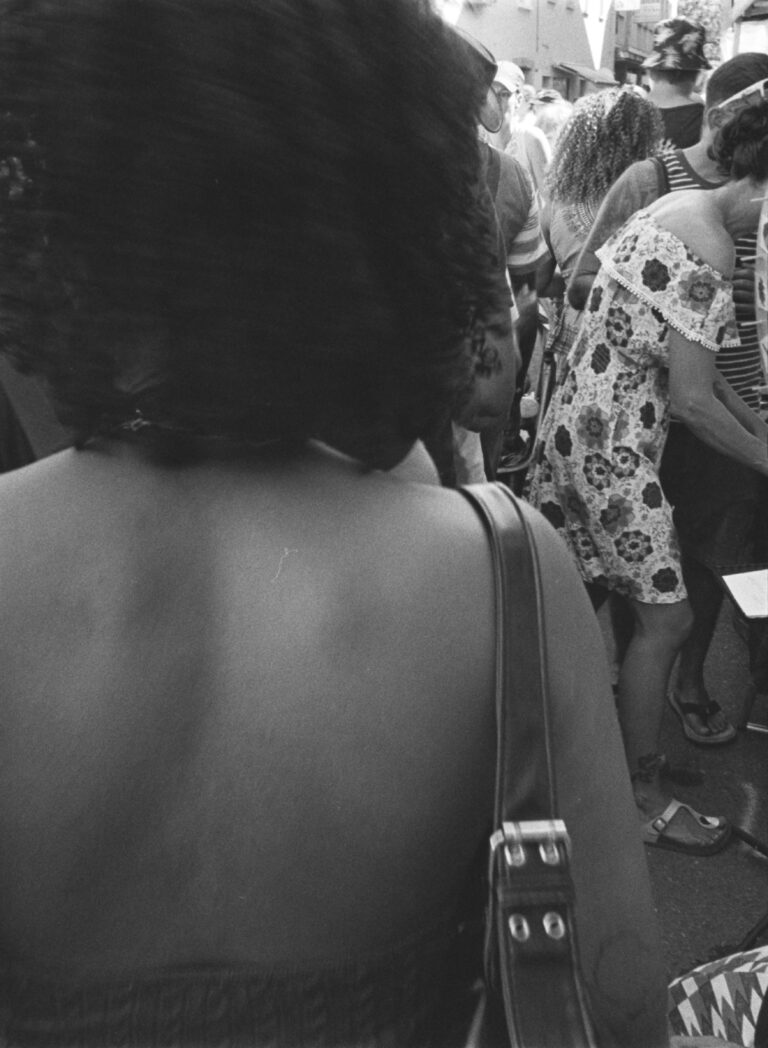
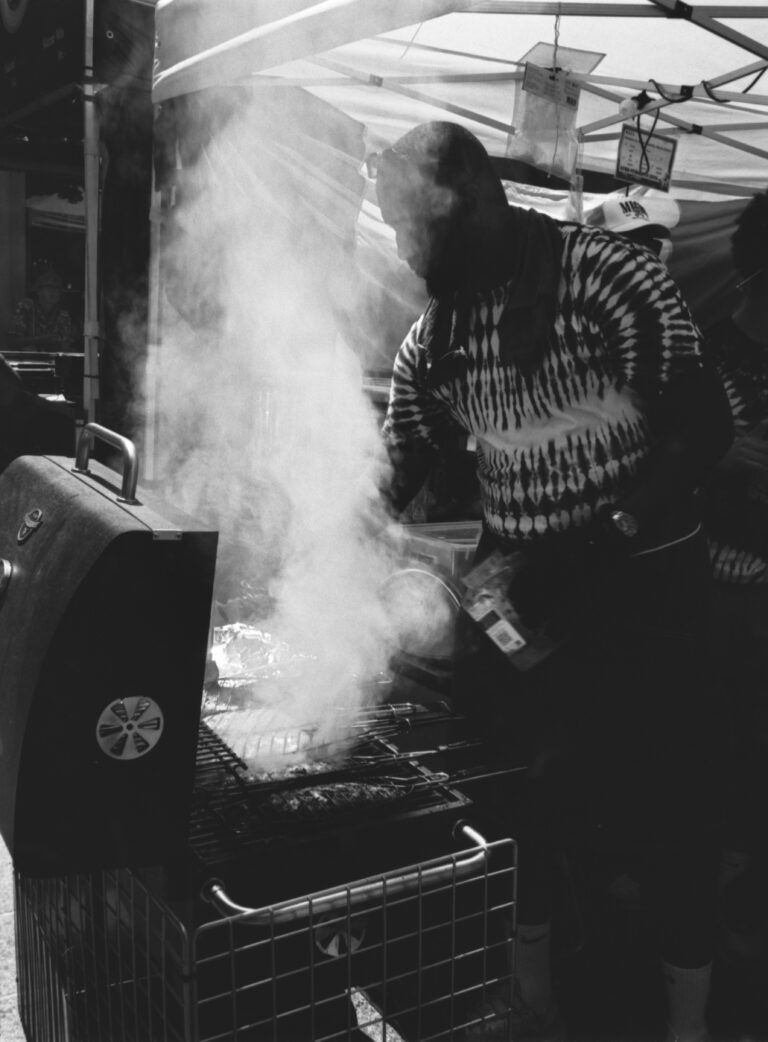
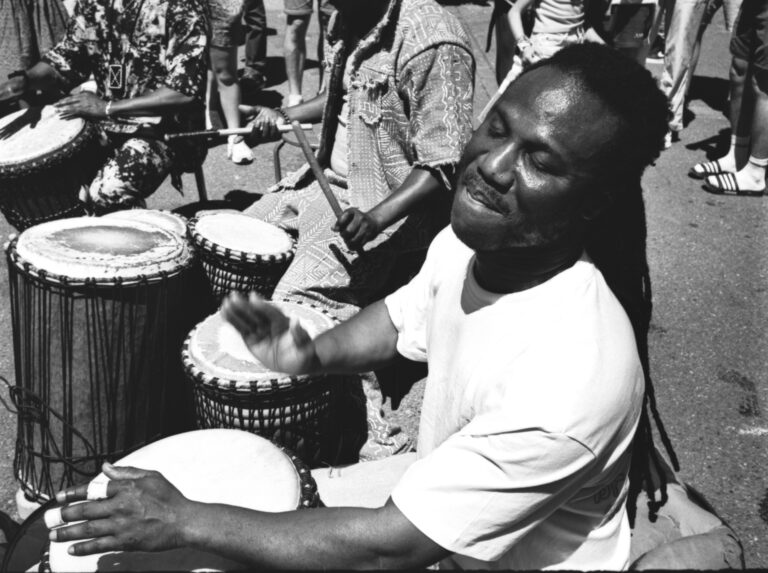
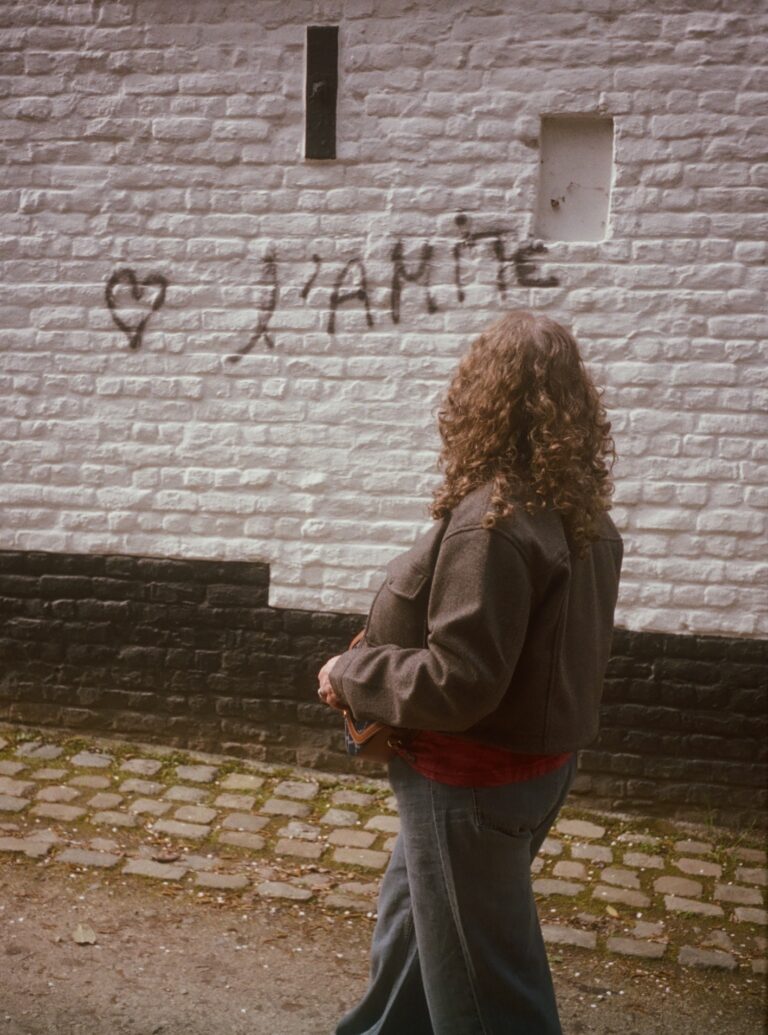
Olympus Pen EE Half frame - Kodak Gold 200
Comments