
Kodak Ektachrome E100
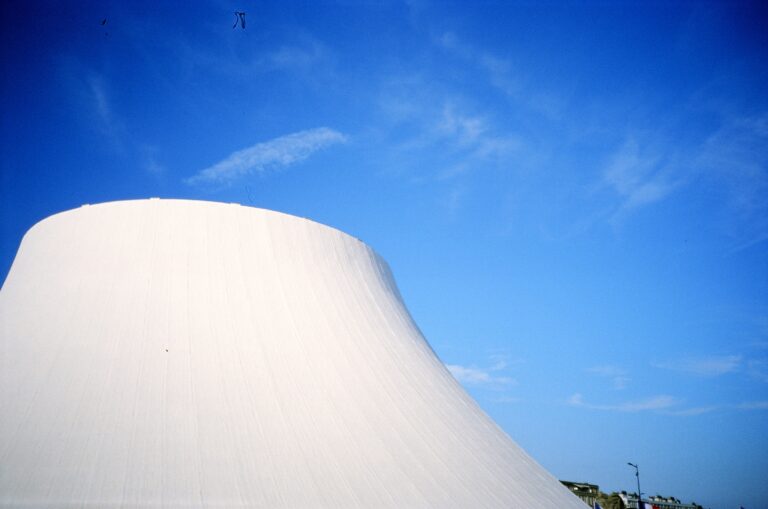
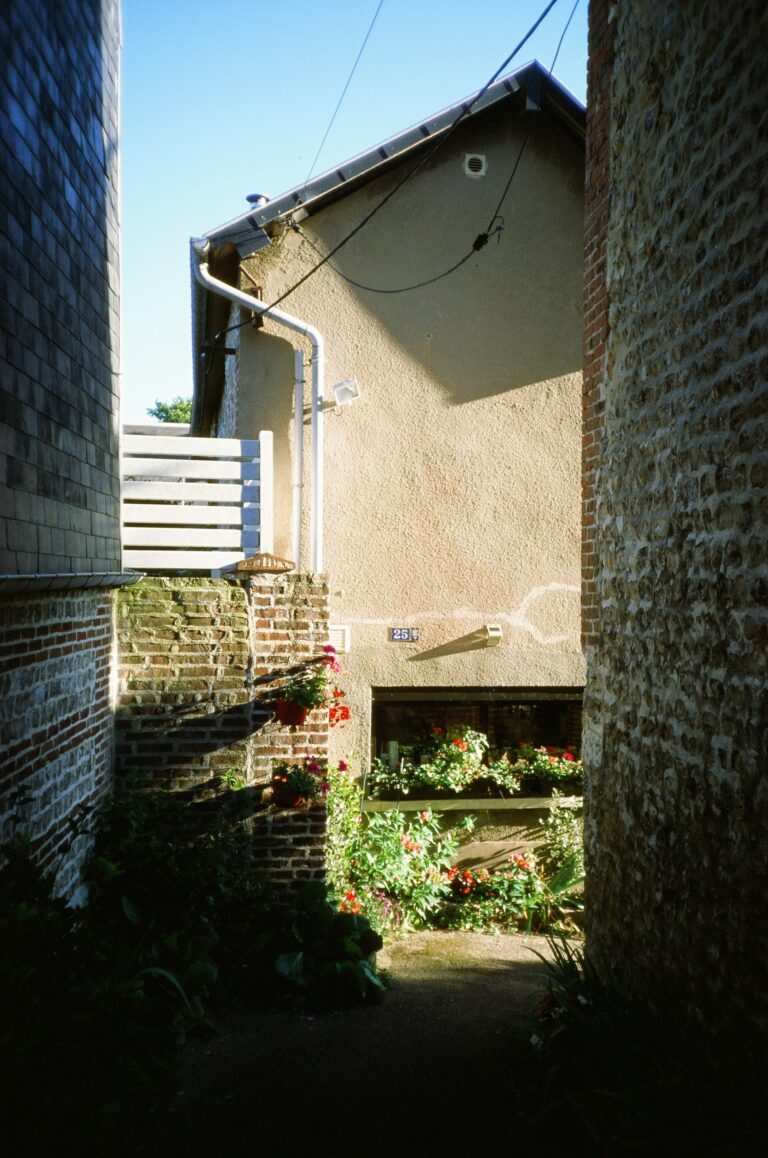
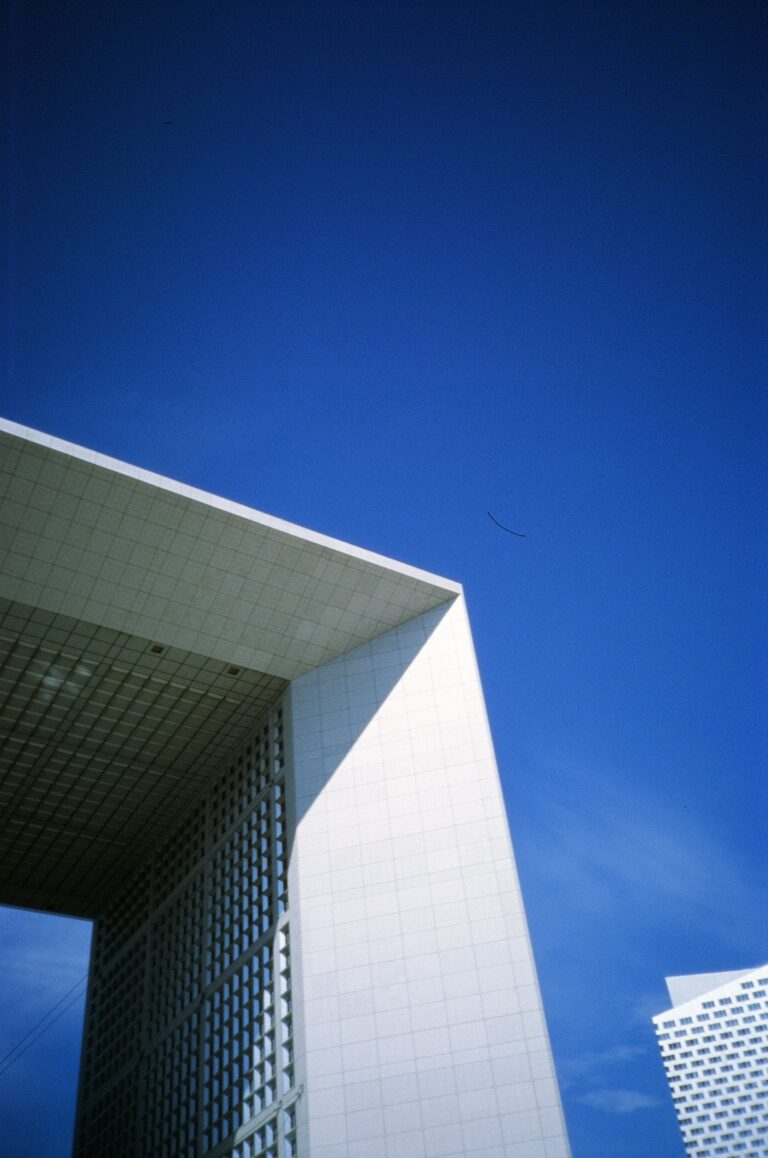
Explore 40 photos in Kodak Ektachrome E100.
Street photography on Kodak Ektachrome E100
Kodak Ektachrome E100 is an ISO 100 color reversal film, which means it produces positive slides instead of negatives and is developed in E-6 chemistry. It has very fine grain, clean and fairly neutral colors with a slightly cool balance, and bright whites. Looking at a developed Ektachrome slide on a light table is a very different experience from scanning a negative, and the colors come out exactly as exposed.
Kodak brought Ektachrome back in 2018 after discontinuing it several years earlier, much to the relief of slide film fans. On the street it rewards careful light: sunlit facades, crisp blue skies, colorful clothing and graphic shadows all look precise and rich. It is less forgiving than negative film, so each frame takes more thought. Here are Ektachrome street photos from the PortraitMode community.
Meter for the highlights
Slide film has a narrow latitude, roughly a stop or so either way, and blown highlights are gone for good. Meter from the brightest important part of the scene, or use a spot or center-weighted reading on a sunlit area. A slightly dark slide usually still looks rich, while an overexposed one looks washed out and thin.
Choose even, clear light
Ektachrome struggles with scenes that mix deep shade and full sun in the same frame. Look for streets where light falls evenly, such as an open square in morning light or a wall lit from the side. Overcast days work too and bring out saturated clothing colors, but you will need a faster lens at ISO 100.
Find an E-6 lab
Fewer labs run E-6 than C-41, so check before you shoot where your rolls will be developed and how long it takes. Ask whether they return slides mounted or as uncut strips, and whether they scan. Keep finished slides in archival sleeves away from light, since that is the original image and there is no negative to fall back on.

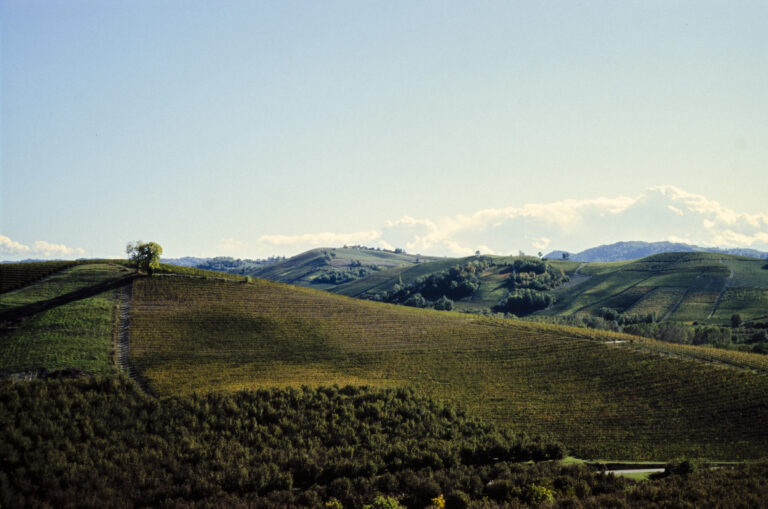
Got to love the hills around Barolo.
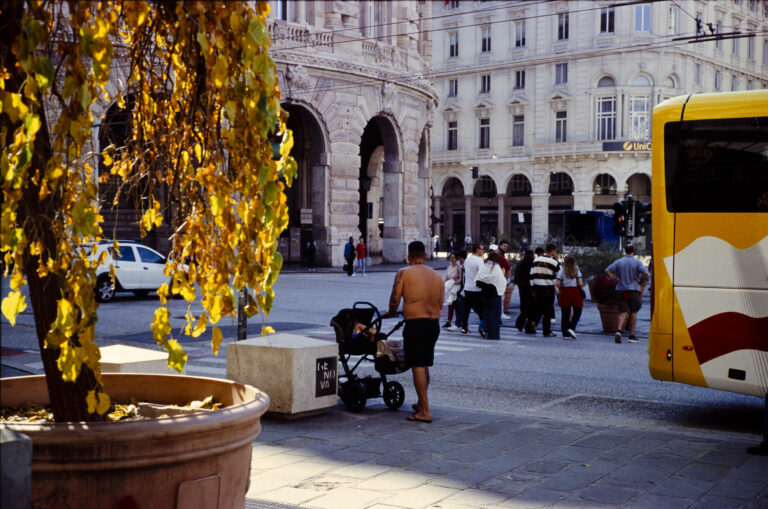
It’s all a matter of confidence, I guess.


Comments