
Surrealism
Explore 490 photos in Surrealism.
Surrealism in street photography
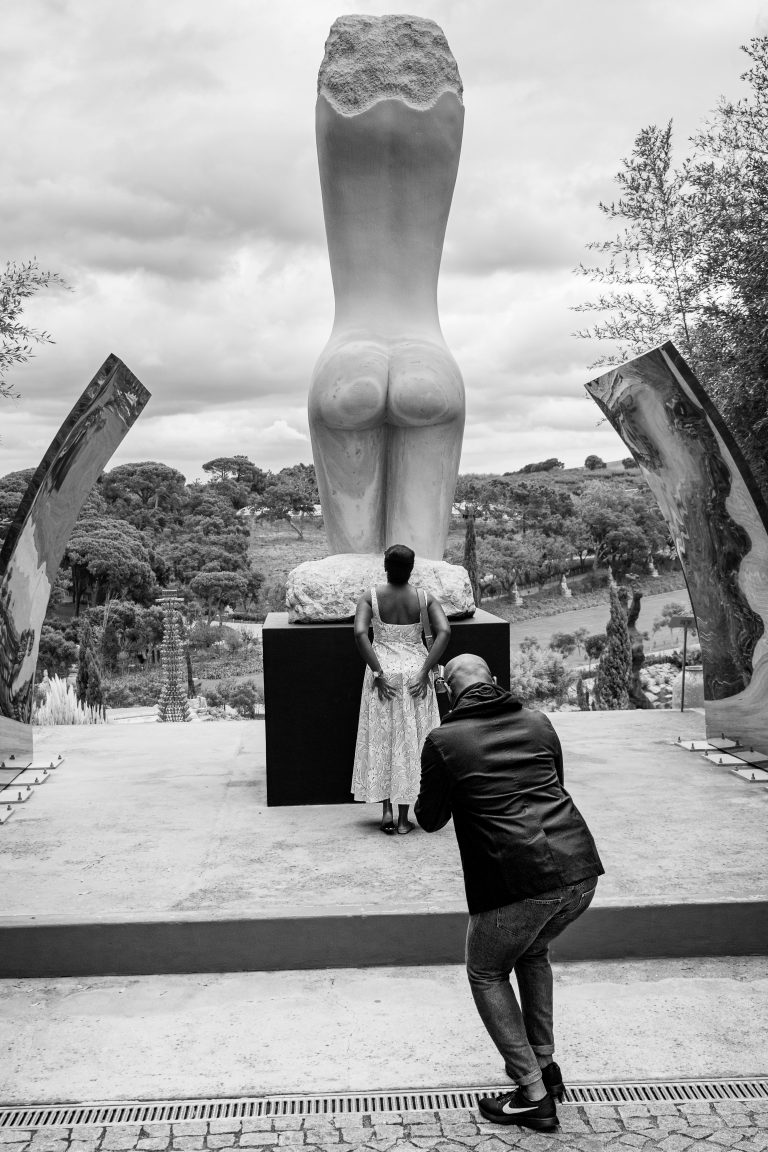
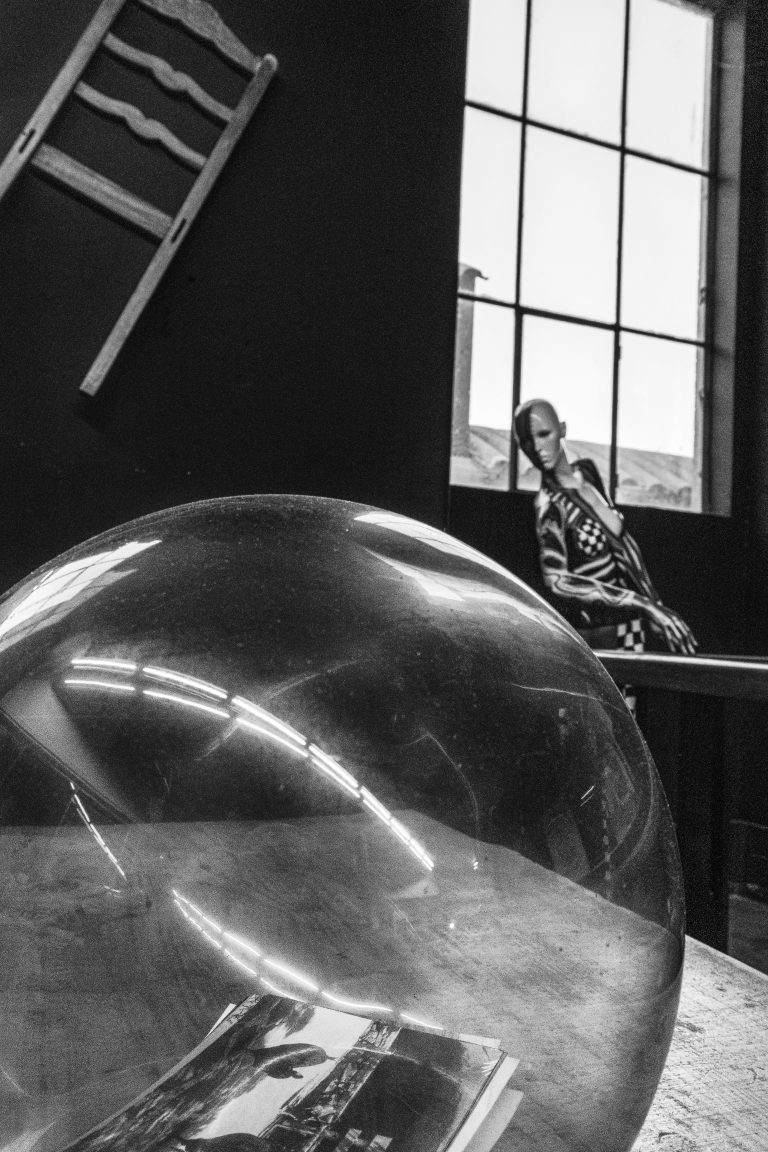
Surreal street photography finds the strange inside the ordinary: a head that seems to sprout from a poster, a person who appears to float, two unrelated things that line up into a visual joke. Nothing is staged or added later. The magic comes from timing, angle and noticing coincidences that most people walk past. These photos make viewers pause, smile or look again to work out what is really happening.
Surrealism began as an art movement in 1920s Paris, led by the writer André Breton, and the young Henri Cartier-Bresson spent time in its circles before he took up photography. Elliott Erwitt later made a career of witty, slightly absurd street moments. Advertising, mannequins, murals and odd shadows are reliable sources of surreal scenes. Explore these strange and dreamlike street photos shared on PortraitMode.
Line things up
Many surreal photos come from exact alignment: a passer-by's head replaced by a face on a billboard, a hand that seems to hold a distant building. Find the poster or object first, then move until the alignment works from your position and wait for the right person. A small step left or right makes all the difference.
Watch ads and murals
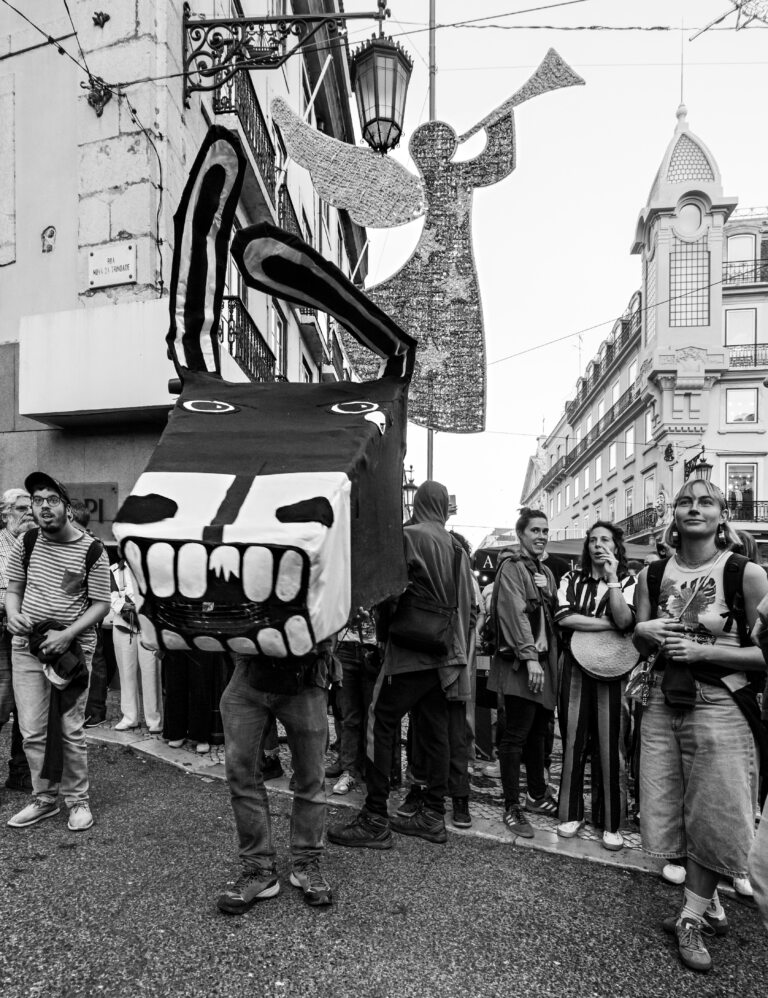
Billboards, shop window displays, murals and printed bus sides are full of oversized faces, bodies and objects. When real people pass them, scale and context get mixed up in funny ways. Spend time near large advertising walls and bus stops, and pay attention to the gestures of both the printed figures and the real ones.
Keep it real
Surreal street photography is valued because the scene really happened. Avoid compositing or removing elements in editing, and if you've used heavy manipulation, say so. The point is to show that everyday life is stranger than it looks. Small adjustments to exposure and contrast are fine, but the coincidence itself should come from the camera.
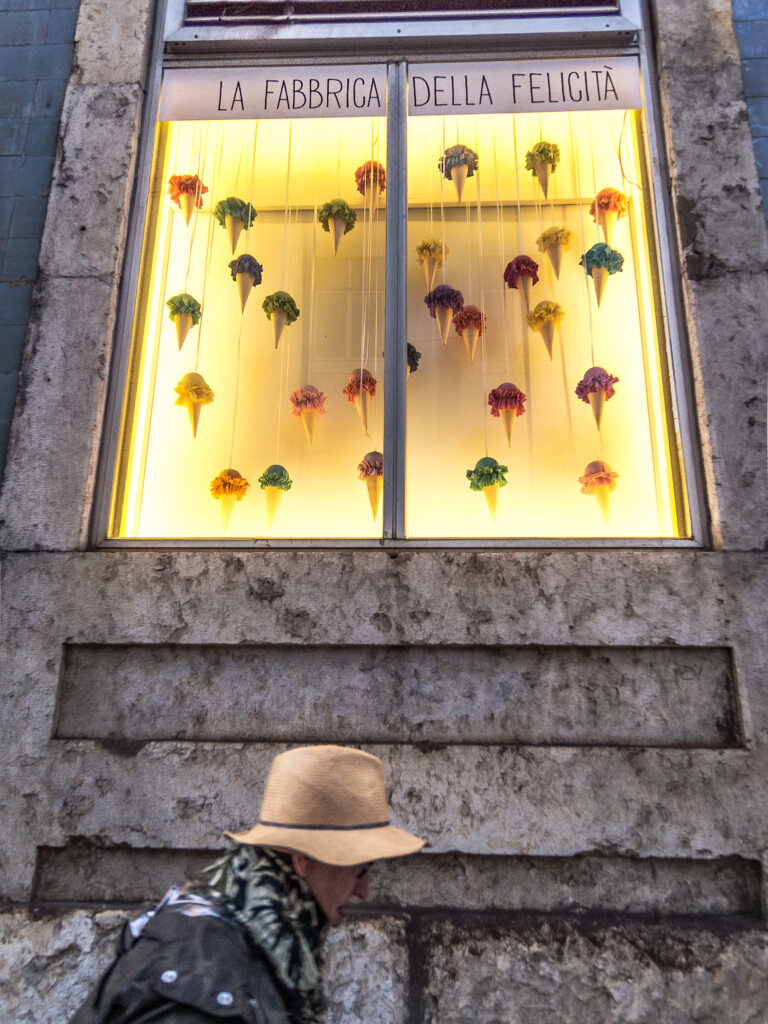
The Happiness Factory ("La Fabbrica Della Felicità" in Italian)
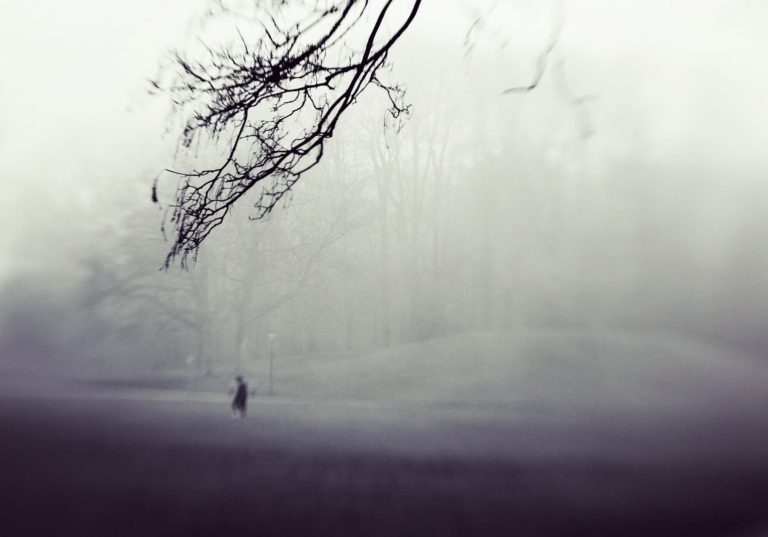
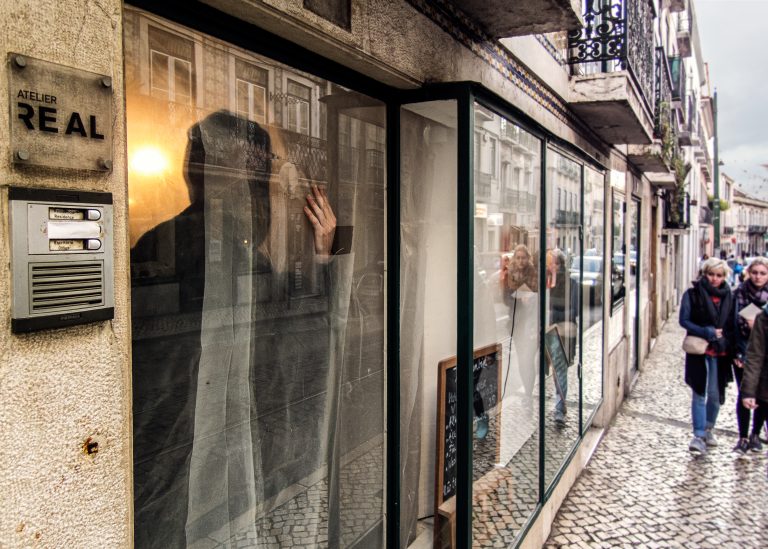
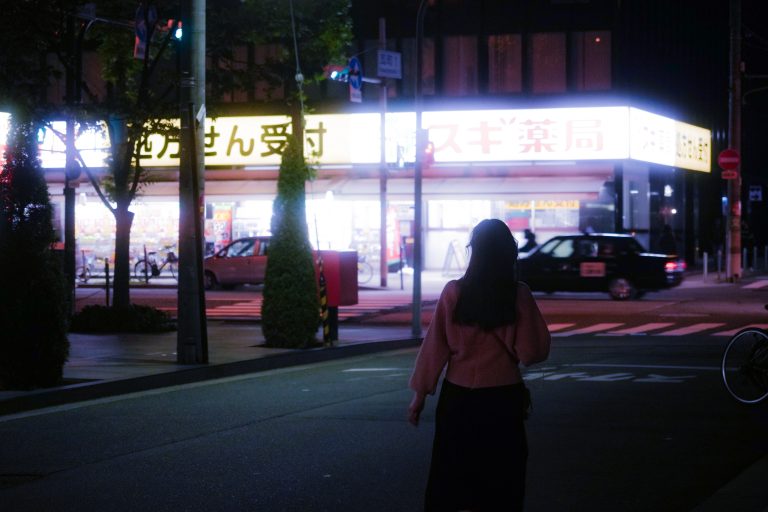
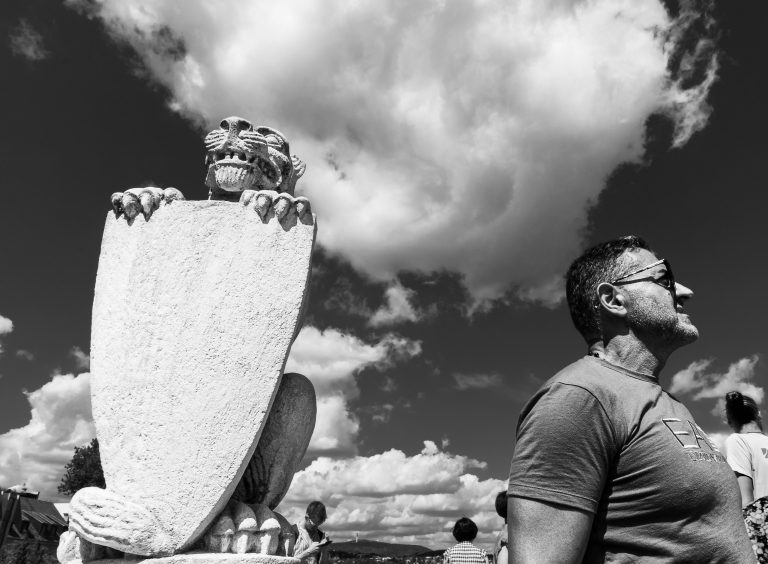
Fisherman's Bastion (Halászbástya), Budapest, 2026
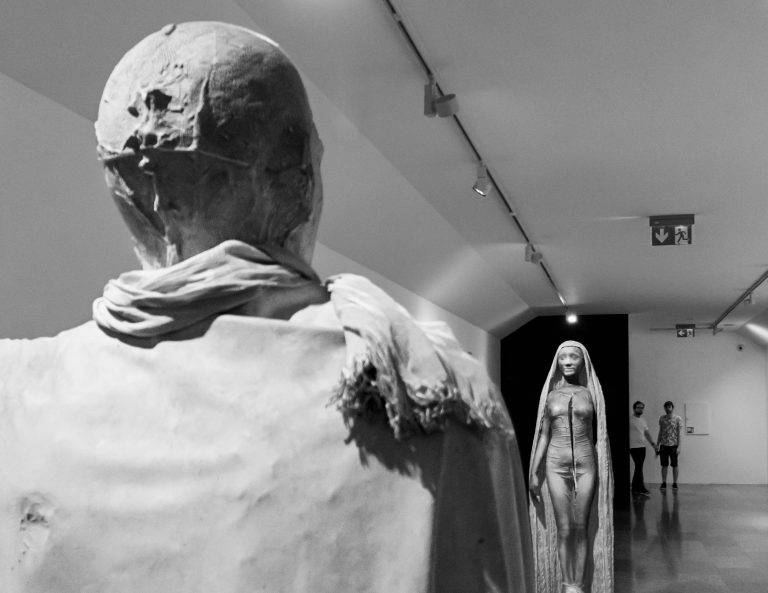
Hungarian National Gallery (Magyar Nemzeti Galéria)
Background sculpture: Maya, 1978, created by Hungarian artist Gyula Pauer (1941-2012).
Comments