
Film photography
Explore 5,116 photos in Film photography.
Street photography on film
Shooting the street on film means accepting a delay between pressing the shutter and seeing the picture. That gap changes how you work. With a limited number of frames and no screen to check, you watch more carefully and commit to a moment instead of firing off bursts. The results have their own character too: real grain, gentle highlight roll-off and colors that come from the emulsion, not a preset.
For most of the twentieth century, all street photography was film photography, from Eugène Atget's empty Paris streets to the color work that spread in the 1970s. Digital took over in the 2000s, yet a new generation has returned to analog cameras, keeping labs and film makers busy. On this page you can see what film shooters in the PortraitMode community are bringing home from the street.
Learn one stock well
Pick a single film and shoot it for several rolls before trying others. You will learn how it handles shadows, how far you can underexpose it, and what it looks like in overcast versus hard light. Switching stocks every roll makes it hard to tell whether a result came from the film, the lab or your own exposure.
Expose for the shadows
Negative film forgives overexposure far better than underexposure. When in doubt, meter for the darker parts of the scene and give an extra stop rather than less. Thin negatives scan muddy and grainy, while dense ones usually still hold detail in the highlights. Slide film is the exception: there you protect the highlights and let the shadows go.
Ask for a hand check
The scanners used for checked luggage can fog film, and repeated carry-on scans add up, especially for ISO 800 and faster. Carry your rolls in a clear bag in your hand luggage and ask security for a hand check where it is allowed. Get exposed film developed reasonably soon, too, since heat and time slowly degrade the latent image.
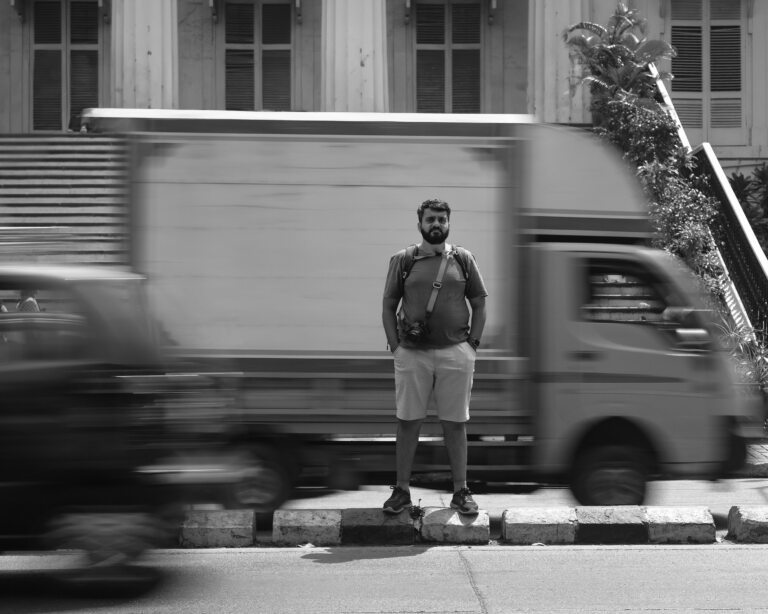
In a city that never stops, I chose to stand still.
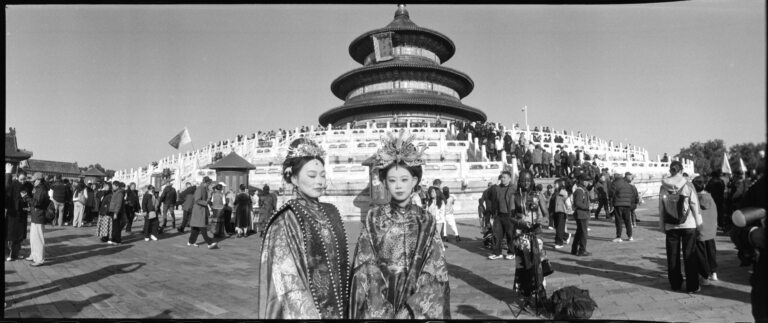
Temple of Heaven
Horizon 202, Kentmere 200, HC-110 (1+47), 8 min.
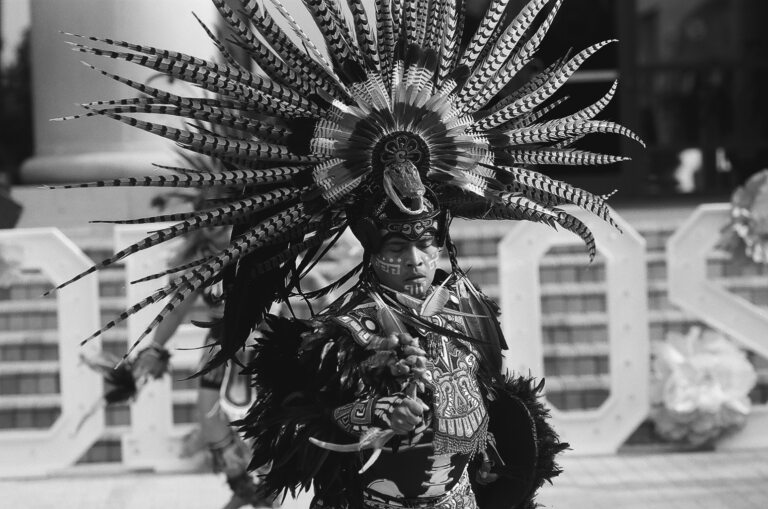
An Aztec dancer in an elaborate feathered headdress performs during a Día de los Muertos celebration in Sugar Land, Texas. Captured on Fujifilm Neopan 100 Acros, using black-and-white film to emphasize the intricate patterns, textures, and quiet intensity of the moment rather than the vibrant colors traditionally associated with the celebration.
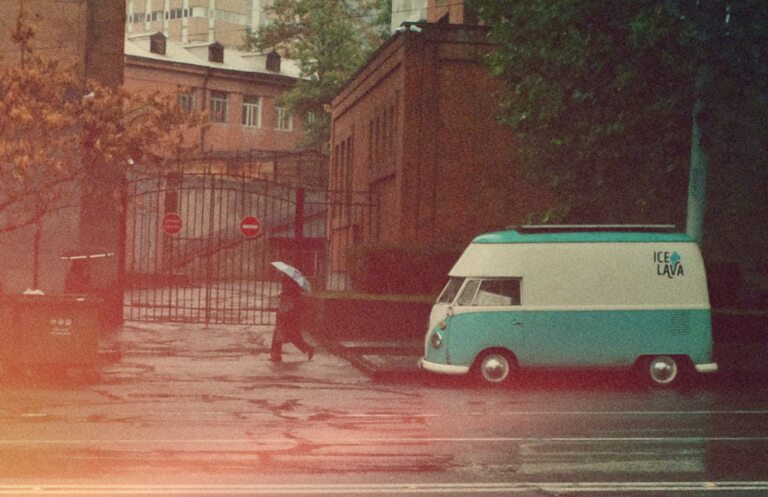
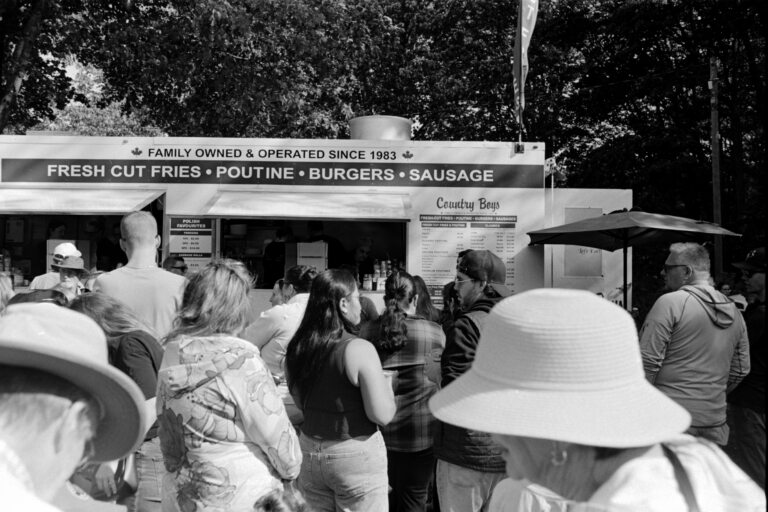
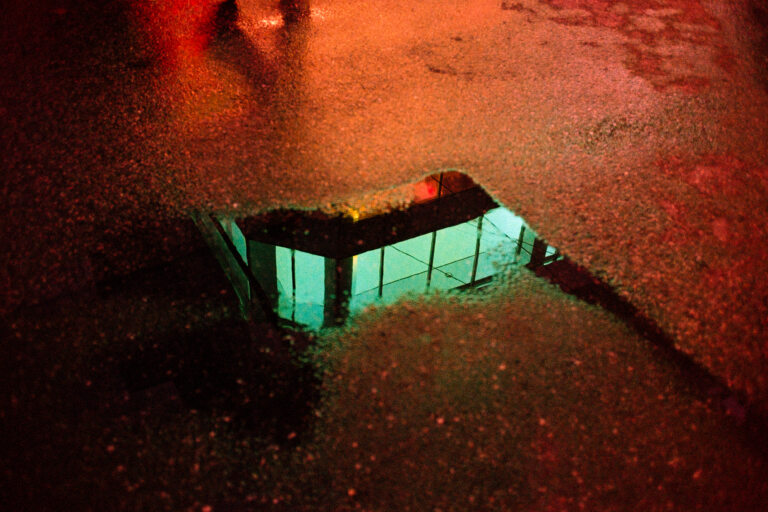
Shot on Konica T3, Konica Hexanon 50mm f1.7
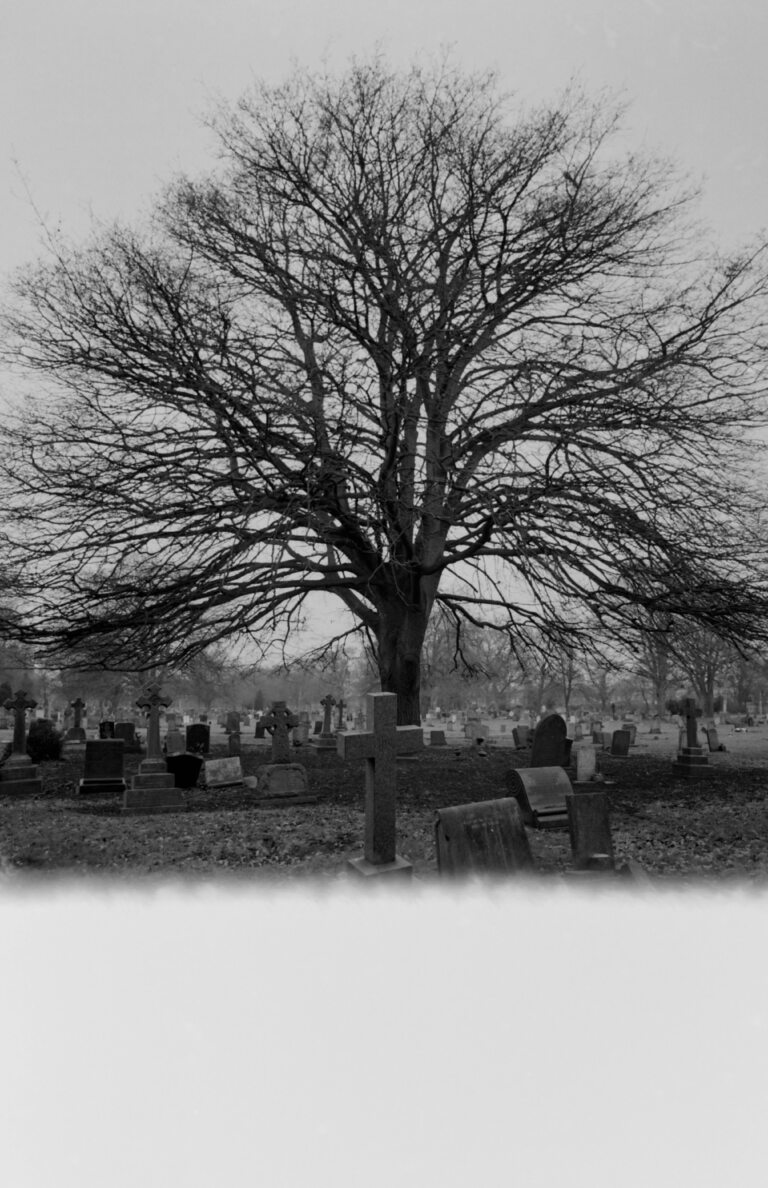
Kodak Tri-X 400
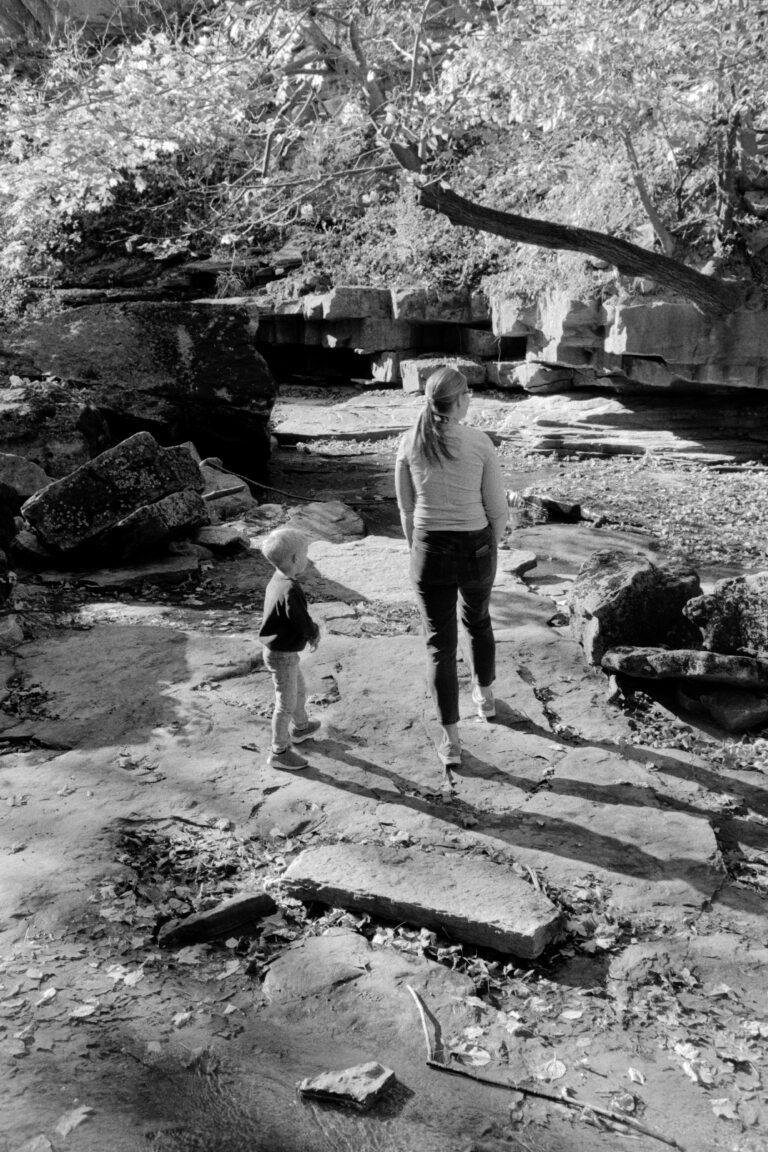
Shot on Konica T3, Konica Hexanon 35mm f2.8. Kentmere Pan 400.
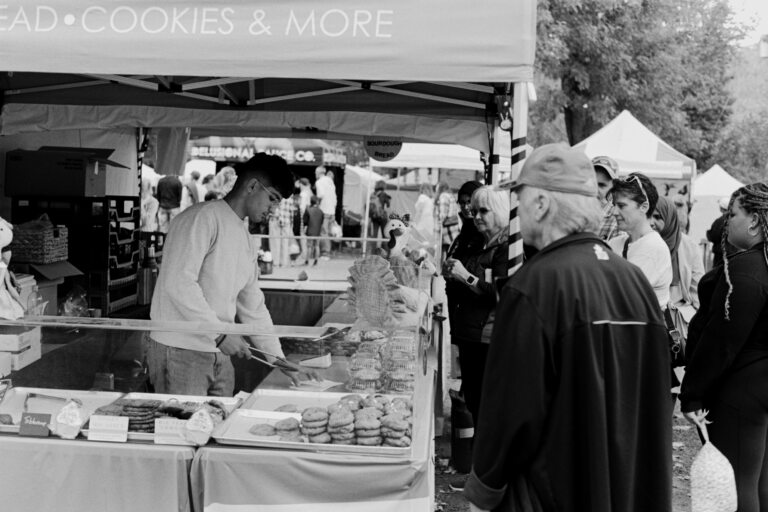
Balls Falls Thanksgiving Festival
Comments