
Tram
Explore 240 photos in Tram.
Trams in street photography
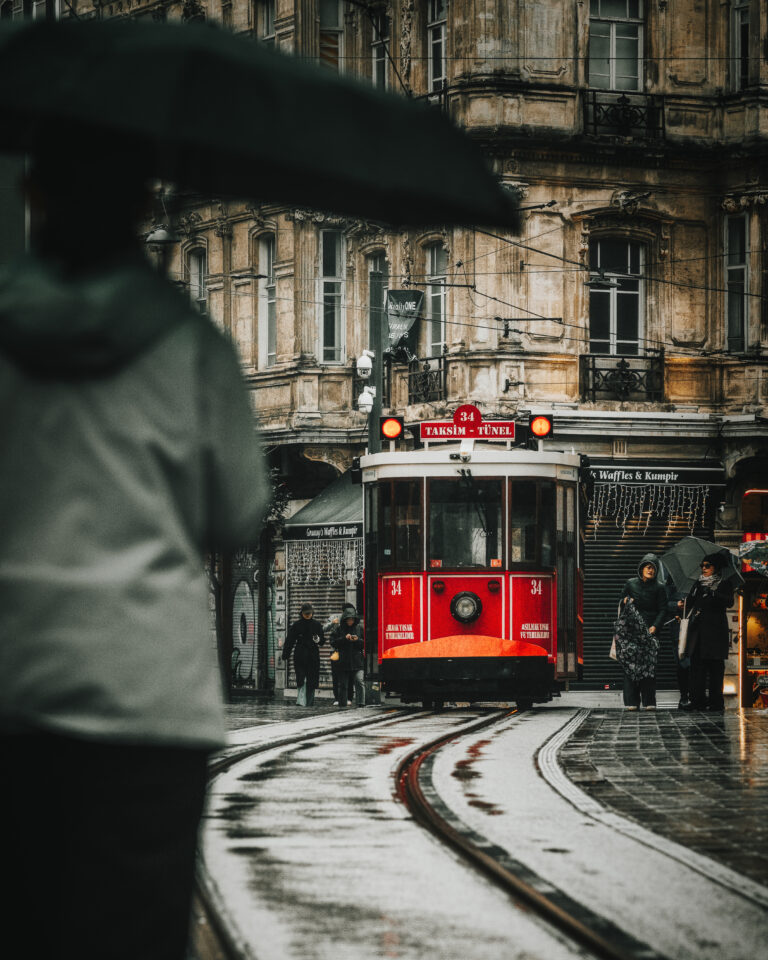
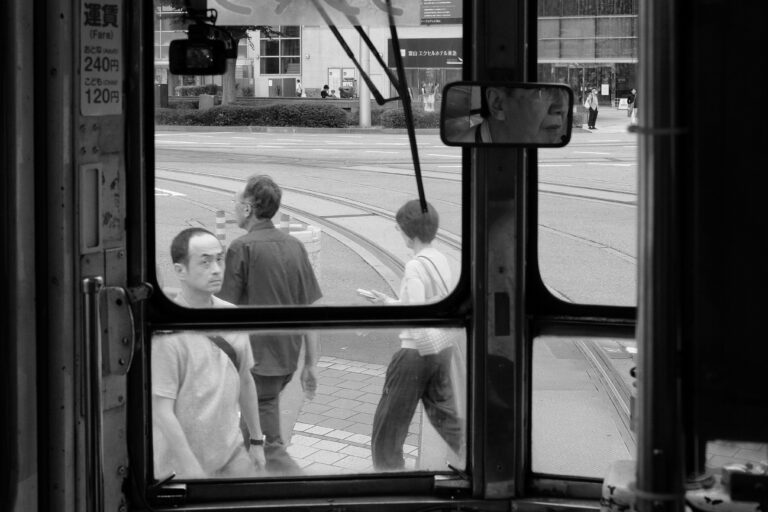
Trams run right through the street, sharing it with pedestrians, cars and cyclists, which makes them easier to photograph than any train or subway. They're slow, predictable and often colorful, and their rails and overhead wires add strong lines to a frame. In many cities trams are part of the identity of a neighborhood, so a single carriage can tell you exactly where a picture was taken.
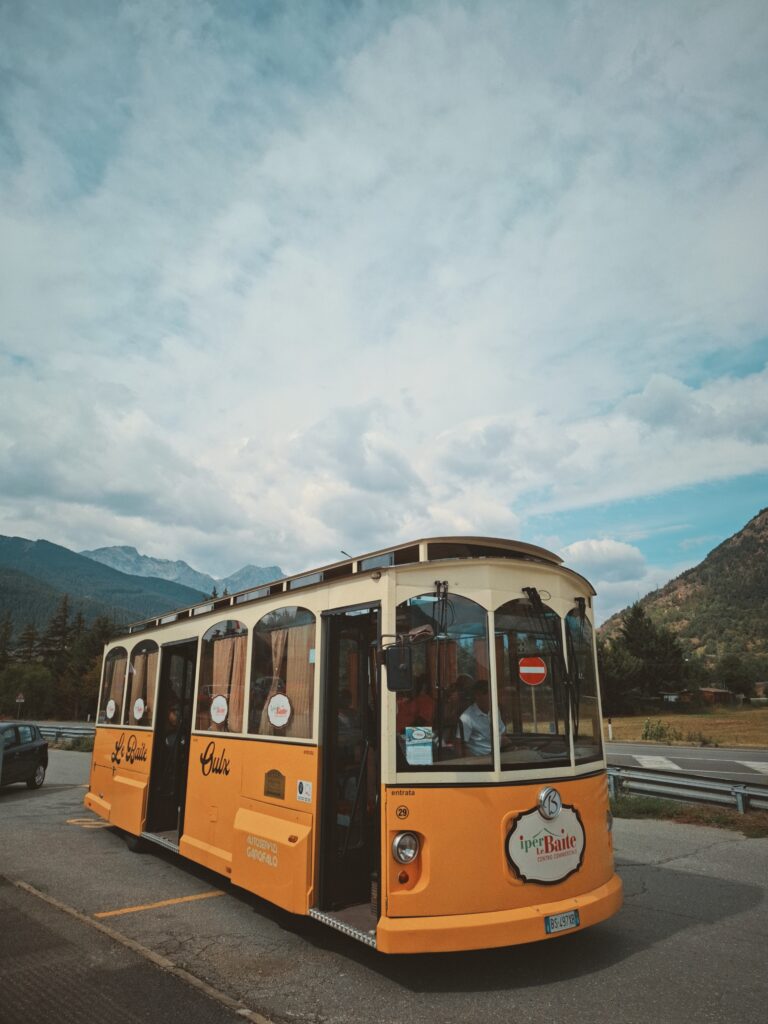
Lisbon's yellow trams climbing the narrow streets of Alfama, the green trams of Melbourne, the double-decker trams of Hong Kong and the vintage cars of Milan are favorite subjects for street photographers. Many European cities, from Prague to Amsterdam, still run dense networks where old and new carriages share the same streets. Look through the trams and streetcars photographed by members of the PortraitMode community.
Learn the timetable
Trams follow fixed routes and schedules, so you know when and where the next one will appear. Find a corner where the tram turns into a frame with good light, set your focus on the rails, and wait for a person to step into place just as the carriage arrives. In busy centers, a new one may come every few minutes.
Use the rails as lines
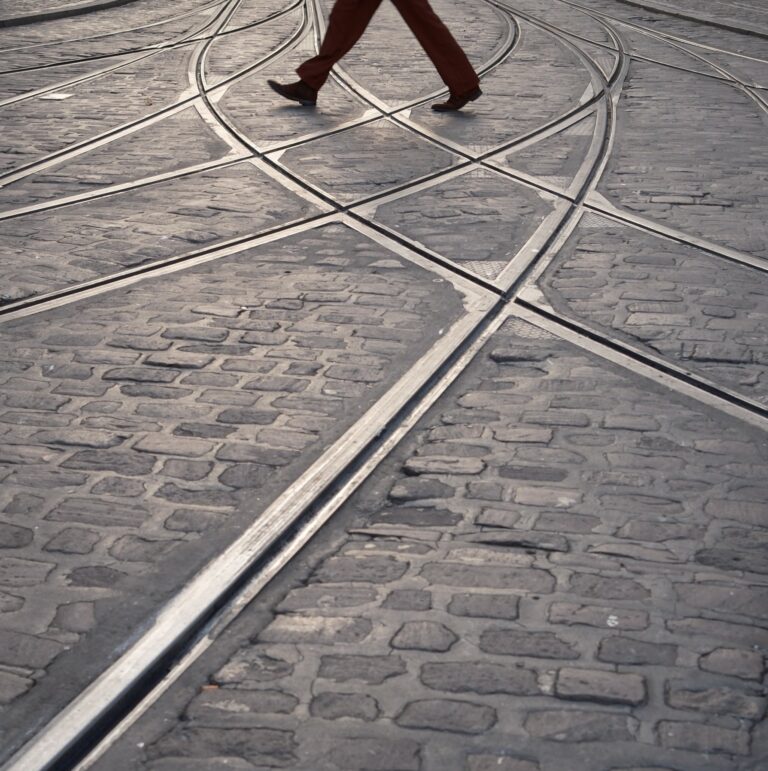
Tram tracks curve and split through the street, leading the eye toward your subject. Get low so the rails run from the bottom of the frame into the scene, or shoot from a bridge or upper window to show their pattern. On wet days and at sunset, the polished steel catches the light and shines against the darker street.
Pan with the carriage
A slow shutter around 1/30s while you follow a passing tram keeps the passengers fairly sharp and blurs the street behind them. Stand still, twist from the hips and keep moving after the shutter closes. Expect to throw away most frames: panning takes practice, and a few keepers from a session are a good result.
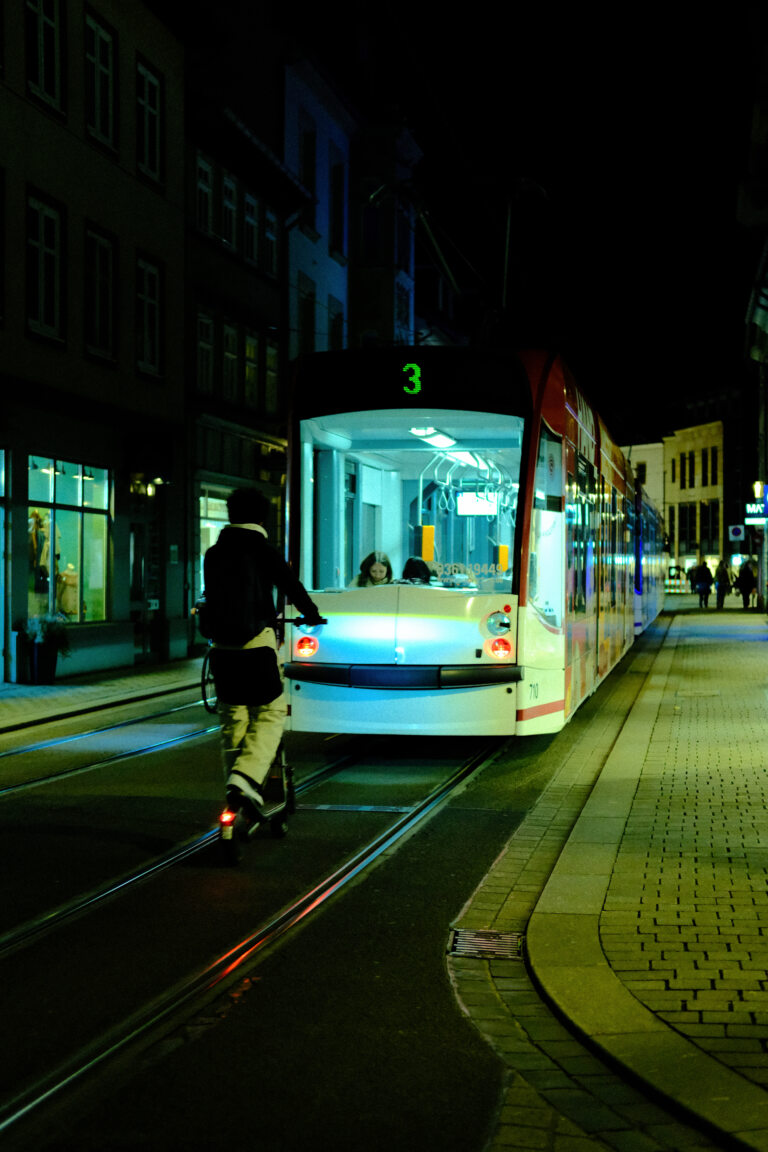
Bikes and Streetcars are a thing in Erfurt
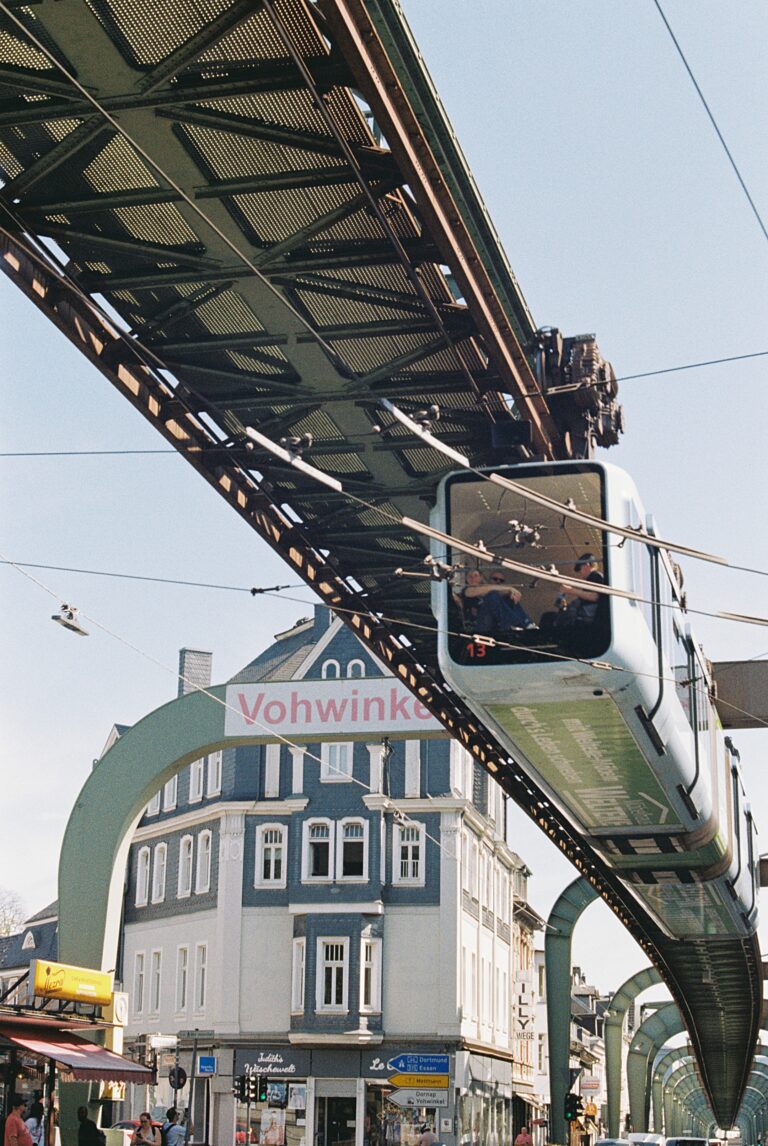
Fujica STX - Fujinon 55 mm/F2,2 - Kodak Gold 200
Comments